
Amasya: The Land of Selfie-Taking Princes
Amasya is the city of royal tombs, apples, the legend of Ferhat and Şirin, and the architectural legacies of Ottoman princes. It is a city featuring exquisite examples of stonemasonry—standing resilient against the passage of time—manifested in its mosques, bathhouses, madrasas, complexes, fountains, stone bridges, healing centers, and mental asylums. It is a city defined by the colorful, illuminated historic mansions lining the banks of the Yeşilırmak River at night; by the cafes tucked away in the side streets on both sides of the river; by its watermills; and by its delicious cuisine. It is the city where the Amasya Circular—one of the foundational documents of our Republic—was promulgated, and a city whose rich culinary heritage is sure to delight your palate. Amasya is a city that promises to take you on a fairytale journey, bridging the gap between the past and the present.
Amasya is nestled between two mountains, straddling both banks of the Yeşilırmak River. The bridges connecting the two sides of the city—dating back to the Roman, Seljuk, and Ottoman eras—remain remarkably sturdy to this day and are still in active use.
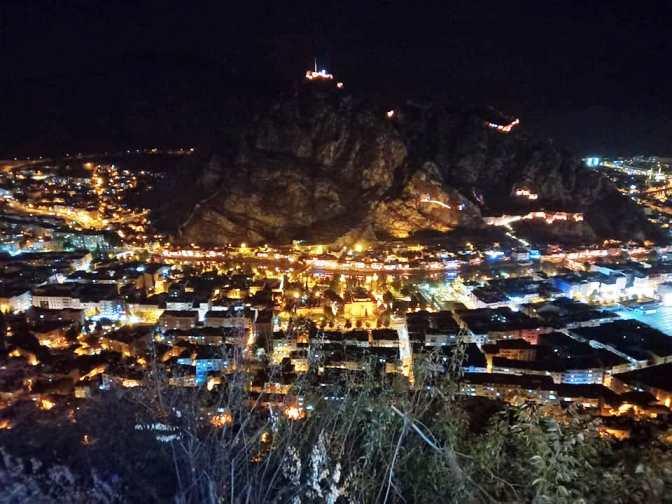
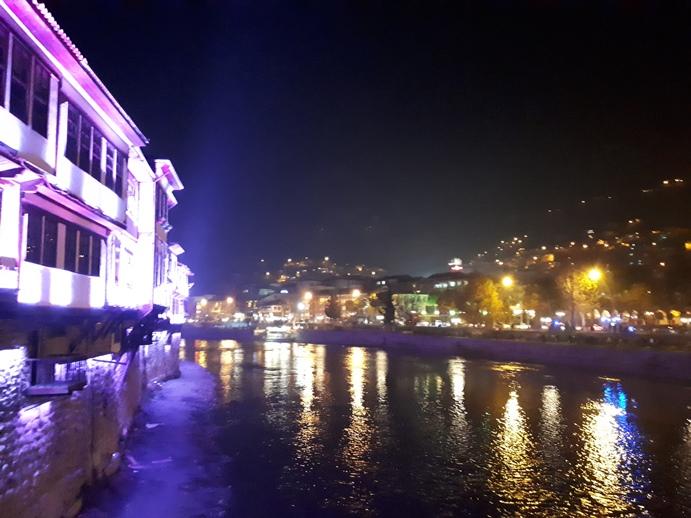
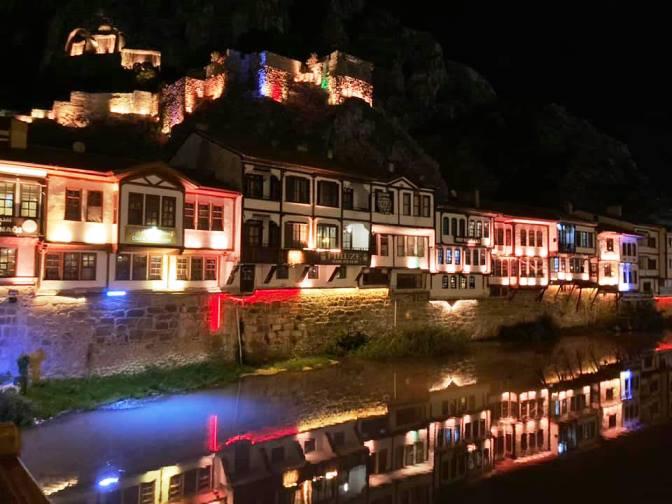
When we arrived in the city at night, the scenery—the lighting along the riverbank and in the side streets, the cafes lining the avenues, and the mansions from which sounds of music drifted—evoked the sensation of being in a Mediterranean country.
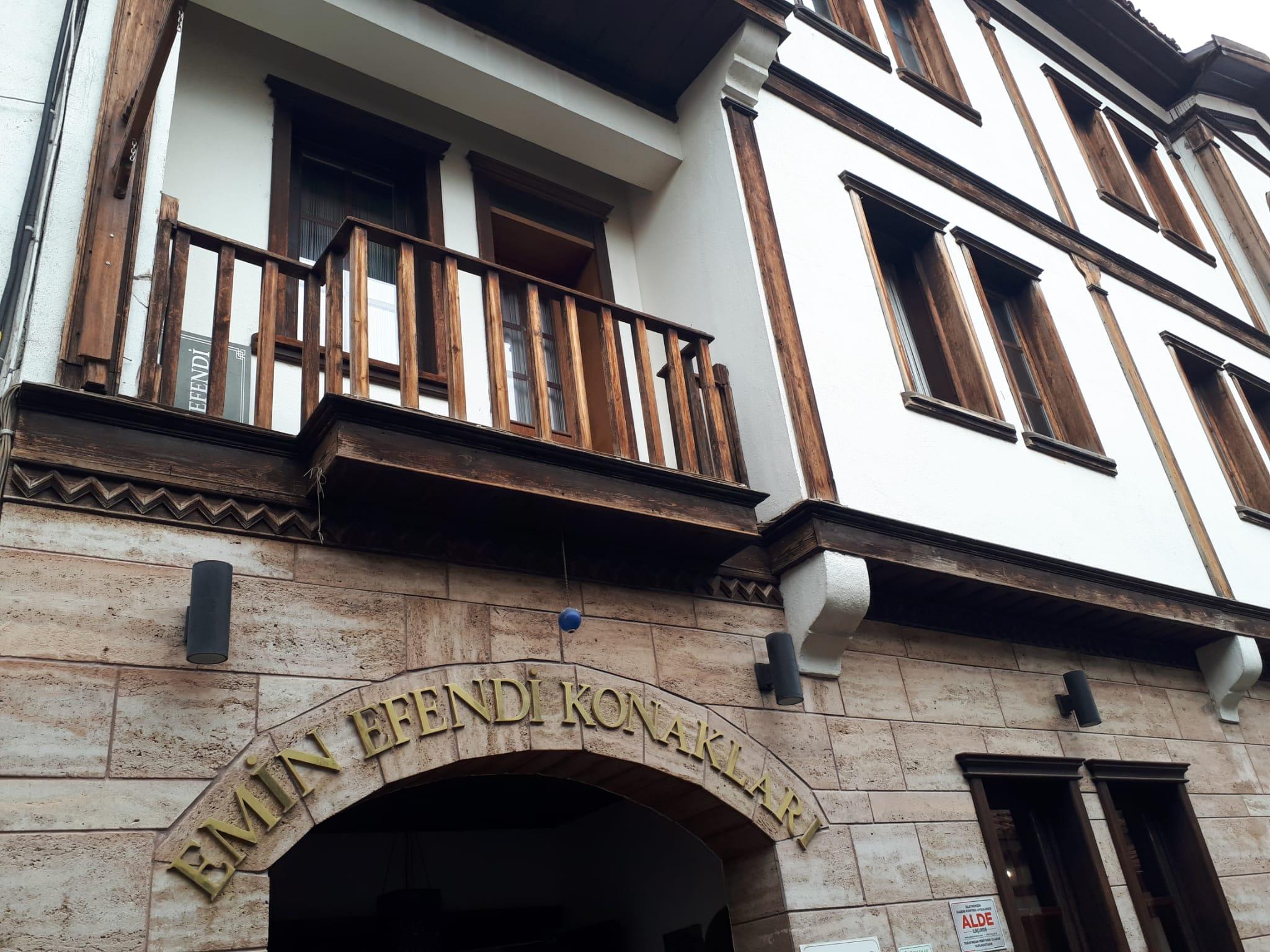
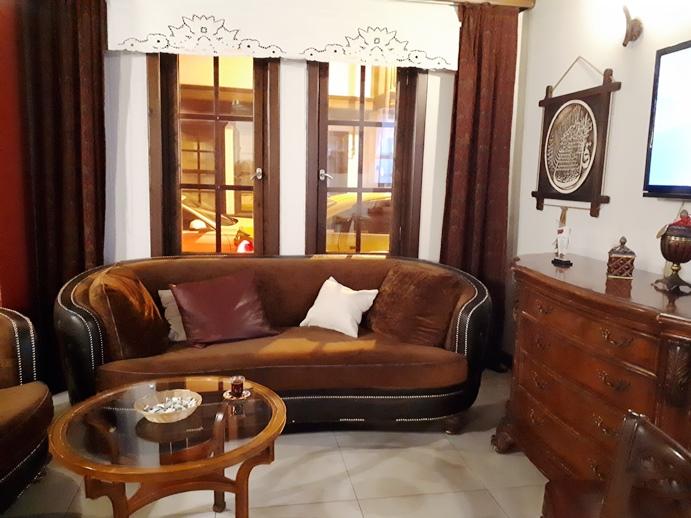
Emin Efendi Konakları, where we stayed, was beautiful and intimate enough to evoke the feeling of being a guest in the home of a beloved family elder. The restoration work was carried out in a way that preserves the natural character while offering every modern comfort within the rooms. Naturally, there is no elevator; instead, you ascend via narrow, slightly creaking staircases. However, the rooms are clean, cozy, and equipped with all the standard amenities one would expect from a hotel.
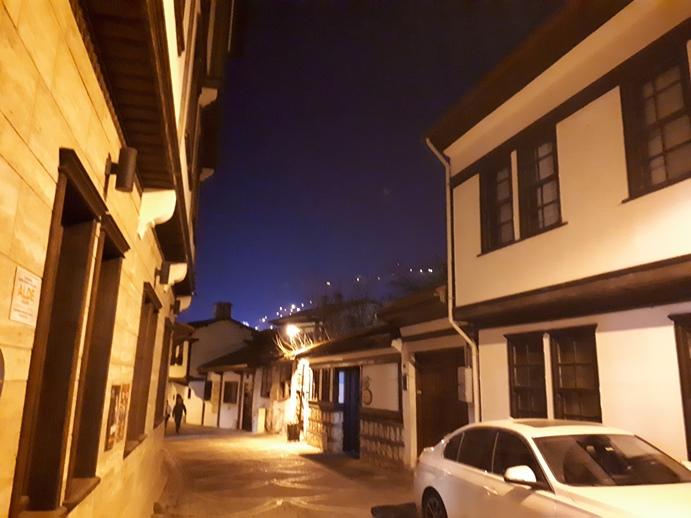
After a meal accompanied by live music, you can spend the night wandering and getting lost in the backstreets, or sitting in a café sipping cinnamon-spiced salep while breathing in the scent of the river mingled with the mountain air drifting down from above. The rooms themselves are clean, warm, and equipped with all the standard hotel amenities.
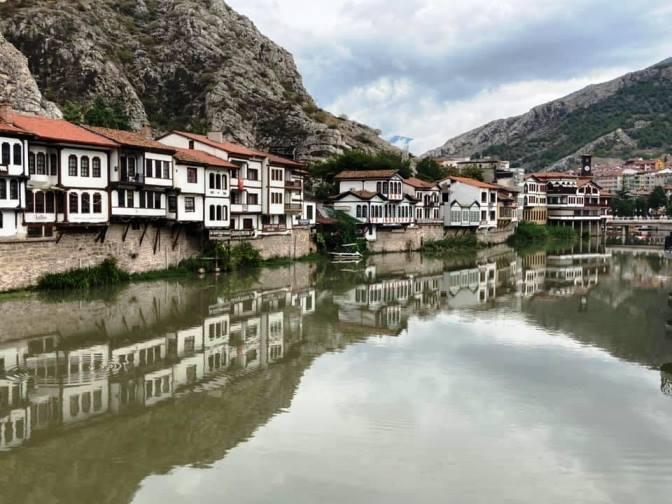
In the morning light, the colors of the night had vanished. Yet, the city was bidding good morning with another magnificent spectacle.
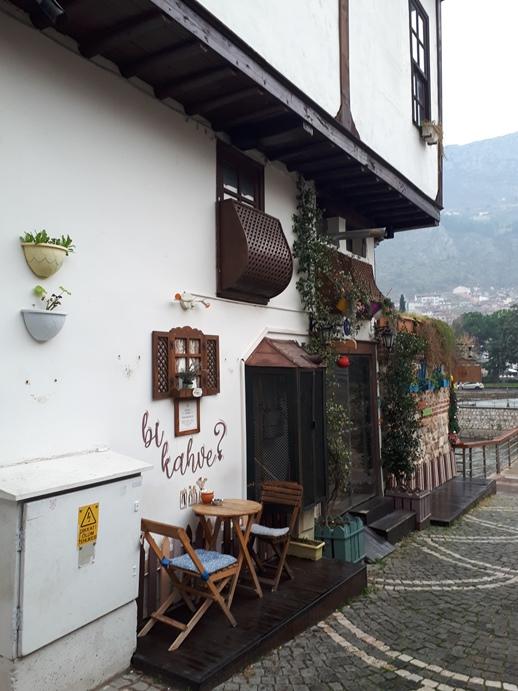
While there isn’t heavy traffic on the streets of Amasya, as a true sign of civility, the moment you step onto the road, traffic comes to a halt to yield the right of way to you. Since it is a small city, designated parking areas are limited. For this reason, I recommend exploring the city on foot—making use of its bridges—whenever the opportunity arises. Indeed, as you cross a bridge over the Yeşilırmak River, you will find yourself marveling at the restored mansions lining both banks; look up, and the Royal Tombs carved into the mountainside will leave you in awe; and at every street corner, the mosques, bathhouses, and other historical monuments—legacies of your ancestors—will fill you with pride.
So, grab your tea or coffee, and let’s explore Amasya together.
Royal Rock Tombs
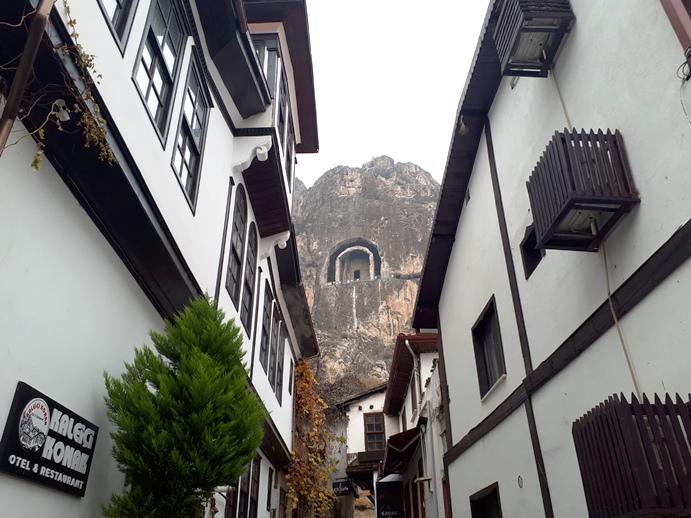
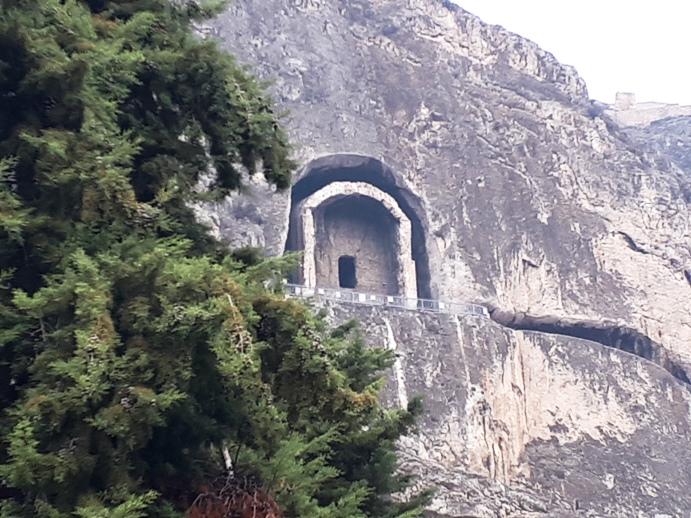
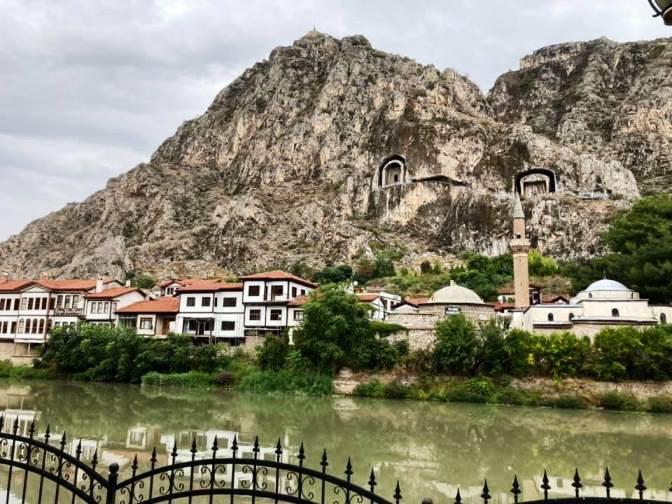
The Kingdom of Pontus—one of the significant civilizations of Antiquity—was established in Amasya by Mithridates I Ktistes, a Persian Satrap (301–47 BC), and subsequently became the capital of the Pontic Kingdom. Monumental rock tombs were constructed on the southern slopes of Mount Harşena.
Believing that they would be resurrected after death, the Pontic Kings designed the monumental tombs carved into the rock face to ensure the preservation of their bodies; these tombs were separated from the bedrock by a “U”-shaped channel, a feature intended to prevent water seeping from the rock from causing the corpses to decay.
The tombs of the Pontic Kings—who were believed to have been interred with lavish funerary offerings—were plundered by the Romans and subsequently lost their original funerary characteristics.
In 2015, these Rock Tombs were inscribed on the UNESCO Tentative World Heritage List.
Princes Museum
Situated at the foot of the Alçak Bridge—one of the oldest bridges in Yalıboyu—and resting upon the ancient ramparts along the banks of the Yeşilırmak River at the foot of the King Rock Tombs, this two-story wooden building has been designated as the Museum of Princes. The museum houses statues of Ottoman Sultans who spent their princely apprenticeships in Amasya, alongside attire reflecting that era.
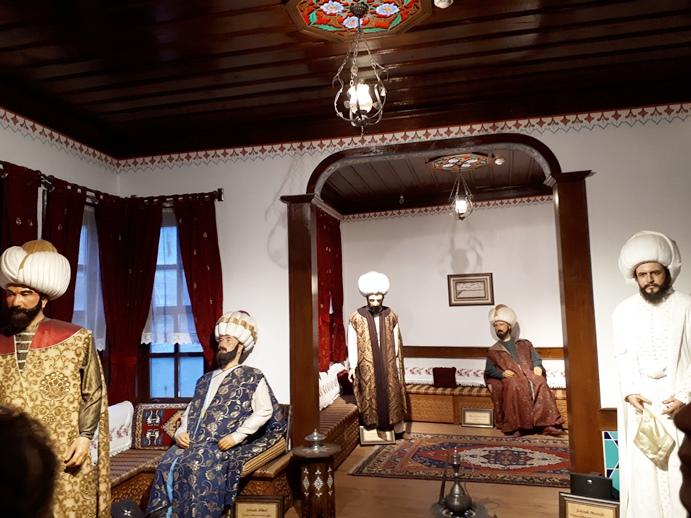
The seven statues located on the upper floor of the museum belong to the princes and sultans who ascended the Ottoman throne as Sultans after spending their princely years in Amasya. These are: Yıldırım Bayezid Han, Çelebi Mehmet Han, Murat II, Fatih Sultan Mehmet Han, Bayezid II, Yavuz Sultan Selim Han, and Murat III.
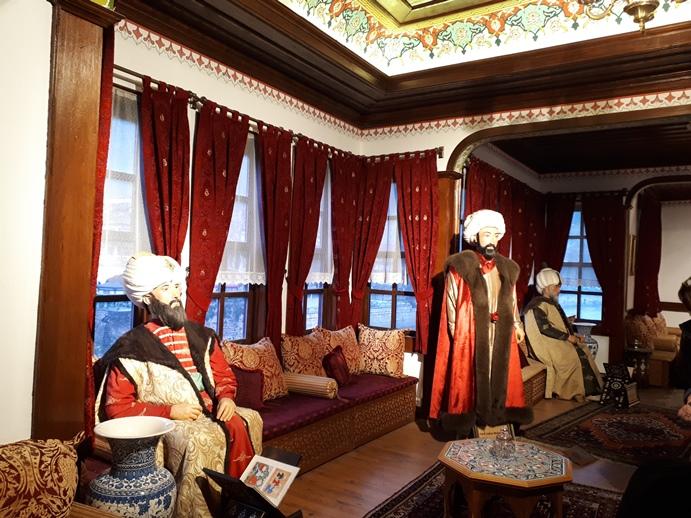
The five statues located on the lower floor belong to princes who, likewise, spent their princely years in Amasya but never ascended to the Ottoman throne. These are: Suleiman the Magnificent’s sons, Prince Mustafa and Prince Bayezid; Murad II’s sons, Prince Ahmet and Prince Alaeddin; and Bayezid II’s son, Prince Ahmet.
Büyükağa Madrasa
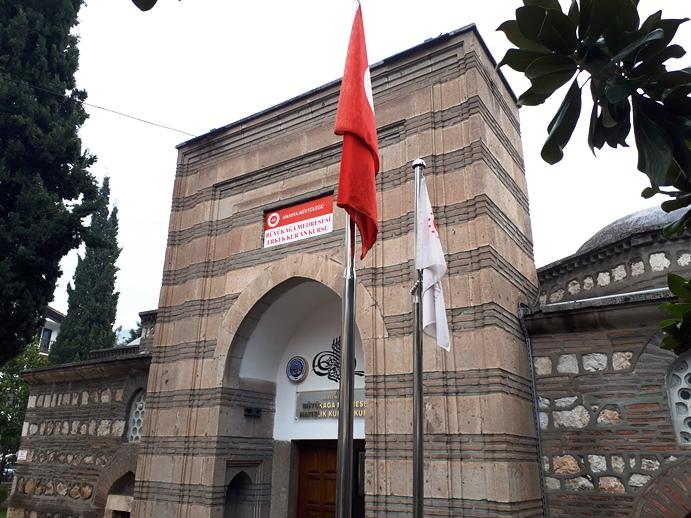
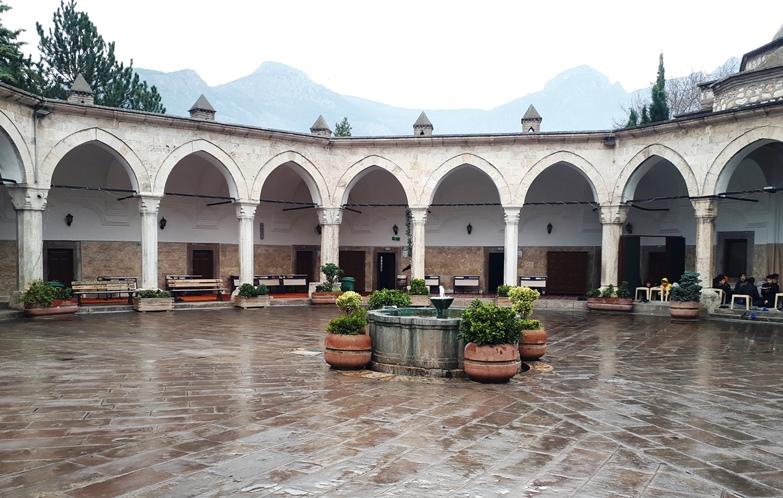
The Kapı Ağası Madrasa—also known as the Büyük Ağa Madrasa—was commissioned in 1488 by Hüseyin Ağa, the *Kapı Ağası* (Chief Eunuch) of Sultan Bayezid II. Its layout diverges from the standard form of the classical Ottoman madrasa; notably, the octagonal ground plan—a design scheme typically observed in Seljuk funerary monuments—was employed for the first time in this madrasa.
Entry is gained through a grand arched portal. At the center of the octagonal courtyard stands a pool, encircled by exquisitely elegant arched columns and porticoes. Situated behind these columns are the *mescit* (small mosque), classrooms, and student quarters.
Saraydüzü Barracks Building – National Struggle Museum
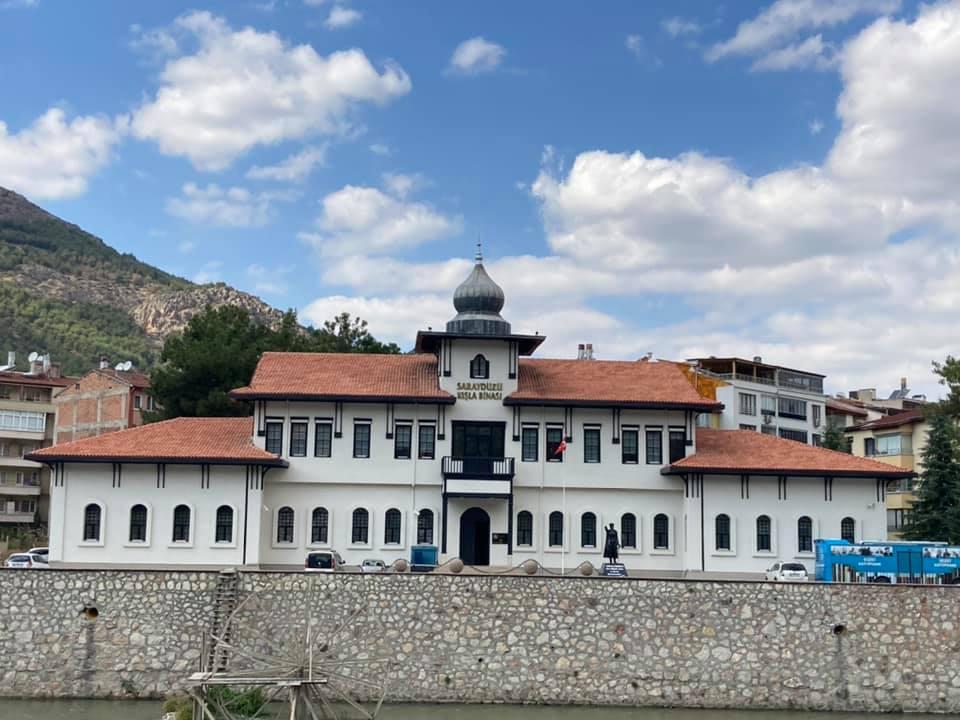
The Saraydüzü Barracks—the site where Mustafa Kemal stayed upon his arrival in Amasya in June 1919 and where the Amasya Circular was drafted—has been reconstructed on the banks of the Yeşilırmak River, faithfully to its original form, in recognition of its historical significance.
The building, which currently serves as the Amasya Provincial Public Library, houses the National Struggle Hall on its top floor. You ascend to the upper level, making your way through students who are studying amidst their open books and laptops.
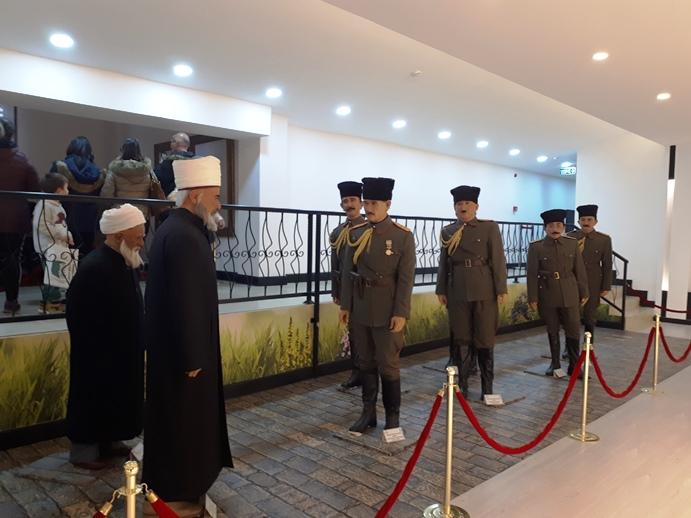
Here, Mustafa Kemal’s arrival in Amasya—specifically the moment he was welcomed by the local delegation at the Culistepe locality—is brought to life through 12 wax figures.
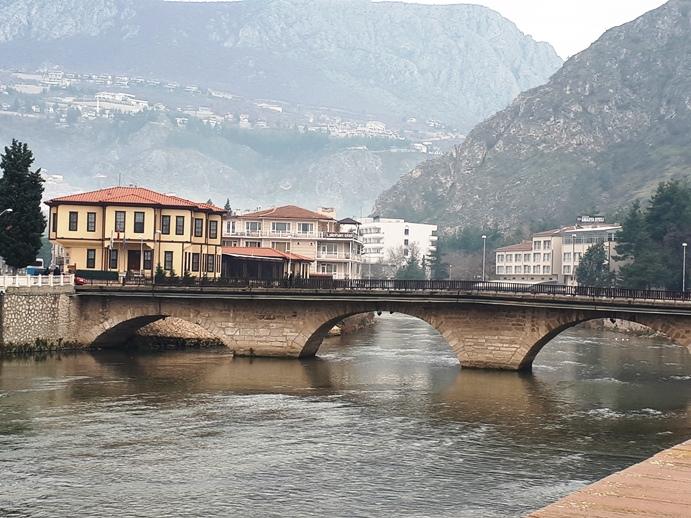
Upon exiting the museum, you will find another elegant bridge to your right, offering a way to cross to the other side. Named the Kunç Bridge, this structure was commissioned in the 13th century by Hondi Hatun, the mother of the Seljuk Sultan Mesud II. Constructed using a combination of cut stone and brick, the bridge features cutwaters designed to provide protection against strong currents. It seems that the architectural and engineering practices of that era preferred to approach the laws of nature with respect, rather than attempting to contend with them.
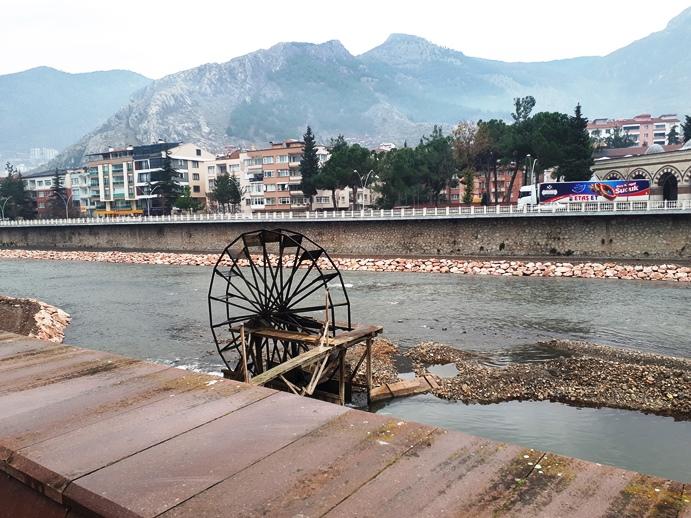
In front of the museum stands a watermill that still turns, powered by the flow of the water. This city is like a fairytale realm; wherever you turn your head, you encounter a sight that leaves you in awe.
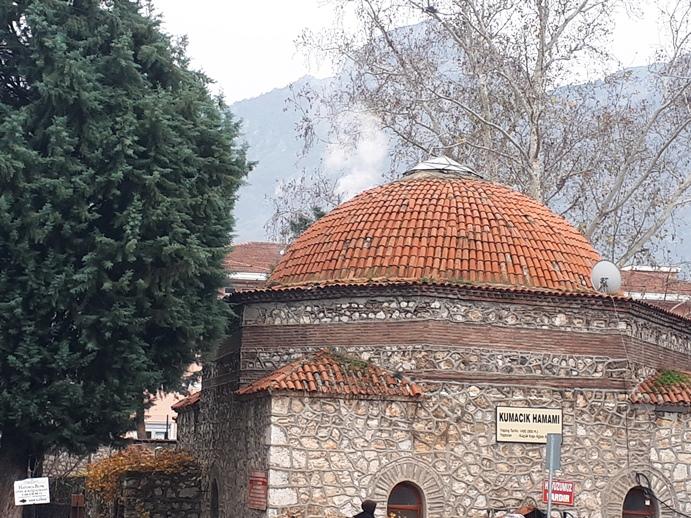
Upon crossing the bridge, the Kumacık Bath—still in use today, with wisps of white steam rising from its stone domes—comes into view.
Commissioned in 1495 by the *Kapıağası* (Chief Eunuch) Ayasağa, this bathhouse features a square-plan changing room surmounted by a large dome supported by Turkish triangles. The *sıcaklık* (hot room) section reportedly consists of a central dome, four *ayvans*, and two private bathing cells. The domes themselves are clad on the exterior with traditional Ottoman-style roof tiles.
Continuing along the same road in Amasya, one can also see the Mustafa Bey Bath, commissioned in 1436 by Mustafa Bey—the son of Yörgüç Pasha—and likewise still in operation today. Just a short distance past the bathhouse, beneath the shade of trees reaching toward the sky, the Mehmet Pasha Mosque greets you with its elegance.
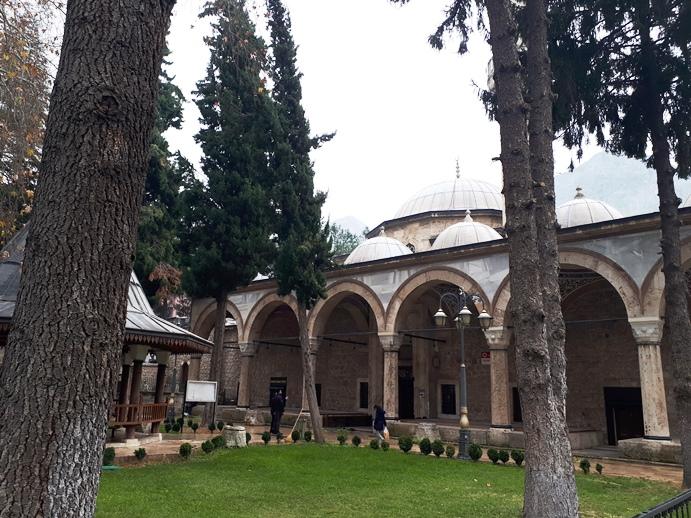
This mosque was commissioned in 1486 by Mehmet Pasha, the tutor of Şehzade Ahmet—the son of Sultan Bayezid II. The complex consists of a mosque, a tomb, a soup kitchen, a hospice, a Turkish bath, and an inn.
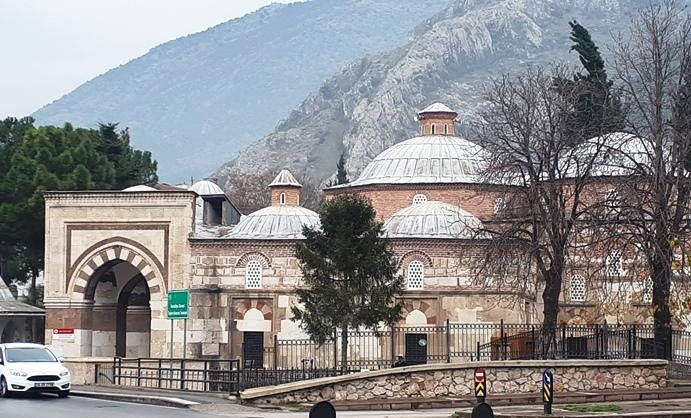
We are still exploring on foot; everywhere you turn continues to surprise you, yet the Bimarhane—one of the most intriguing sites—is perhaps one of the most exceptional places not only in Amasya but in our entire country.
Sabuncuoğlu Şerefettin Museum of Medicine and Surgery
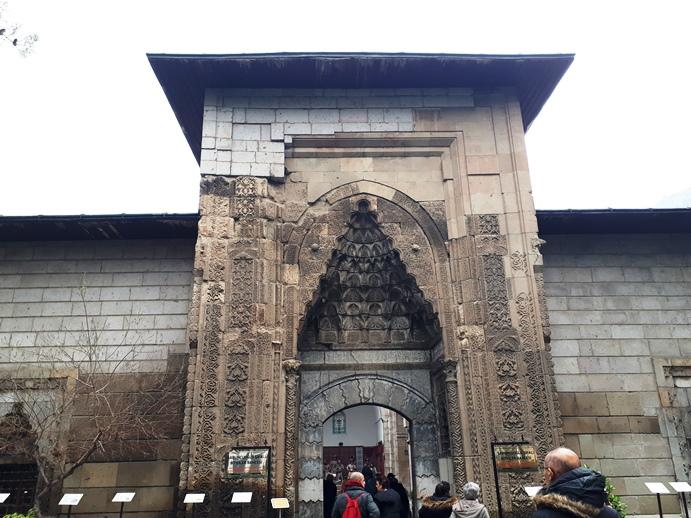
Through this doorway—adorned with stonework as intricate as lace—you enter the institution formerly known as the *Bimarhane*. With its 700-year-old architecture, it stands as the first psychiatric hospital in both Europe and Anatolia; today, it is known as the Şerefettin Medical and Surgical Museum—named after Sabuncuoğlu Şerefettin, a figure of the Ottoman era who elevated the practice of medicine there to include surgical expertise.
The garden also features a section dedicated to the cultivation of healing aromatic plants.
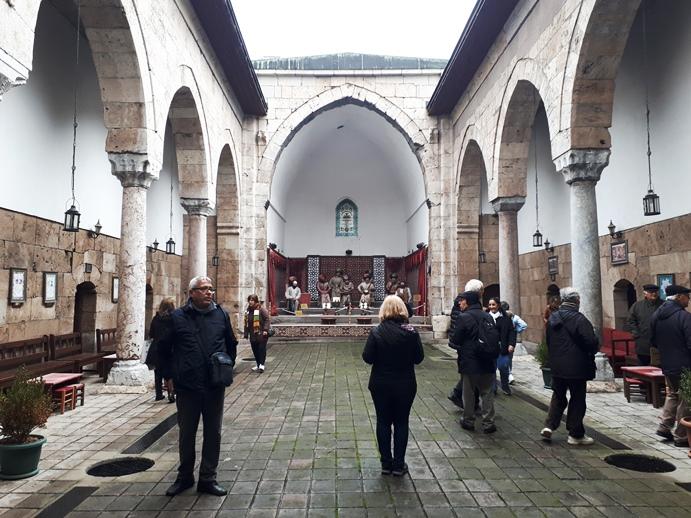
In Amasya, this is reportedly the only surviving structure from the Ilkhanid era. The Ilkhanid Sultan Mehmet Olcaytu Han commissioned this building between 1308 and 1309 in honor of his wife, Ilduz Hatun. It was here that patients suffering from mental disorders were treated—for the first time—using the sounds of flowing water and music.
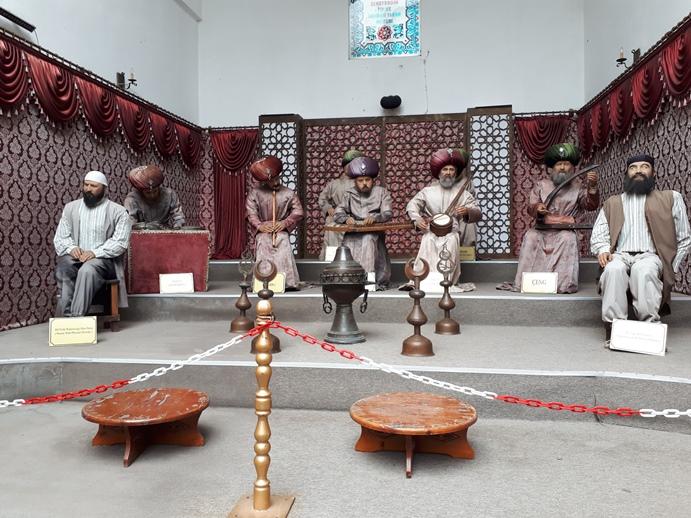
Sabuncuoğlu Şerefettin (1385–1470) served as chief physician here for fourteen years during the reign of Sultan Mehmed the Conqueror. He discovered cures for numerous ailments, and the books he authored—along with the instruments and methods he employed in treatment—have shed light on modern therapeutic practices. As you read this, you might be inclined to dismiss these claims as exaggerated. However, upon seeing the medical instruments on display, the examination and diagnostic techniques brought to life through lifelike figures, and the musical instruments utilized in treatment, I found myself suspended between sheer admiration and utter astonishment.
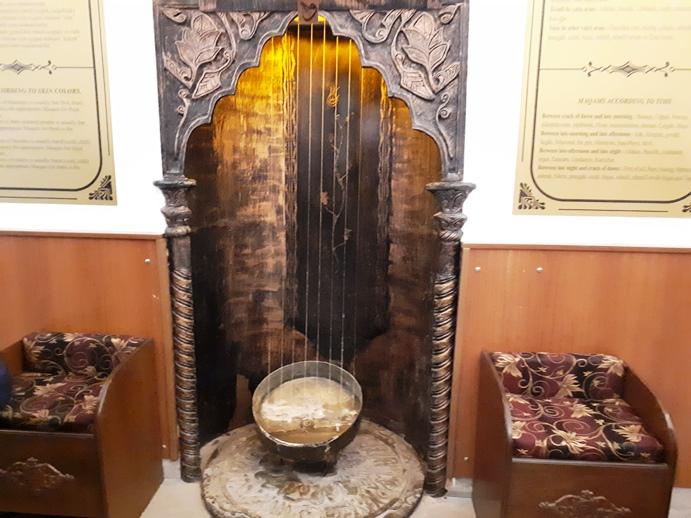
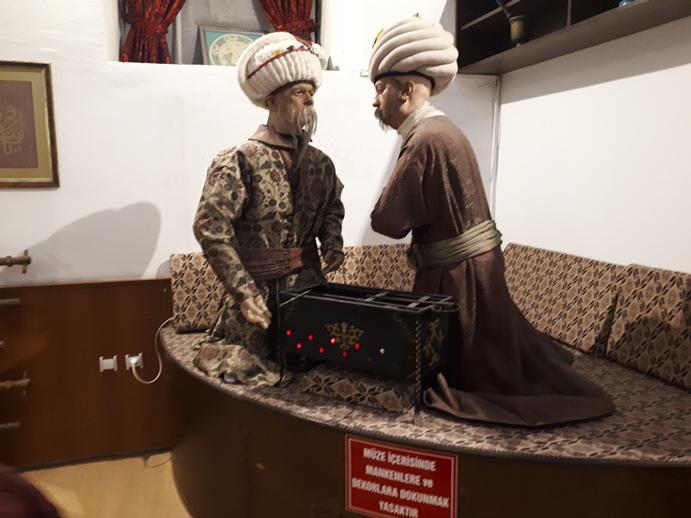
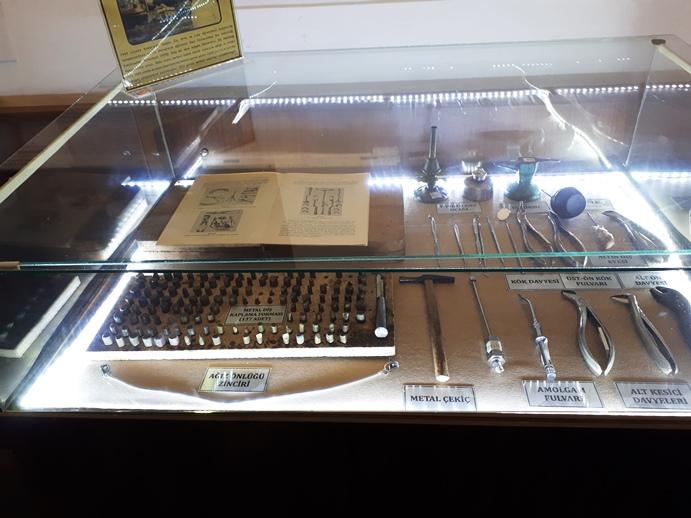
The complex features the Sabuncuoğlu Hall—where medical and surgical instruments across ten distinct disciplines (recreated based on illustrations found in *Cerrahiyyetü’l-Haniyye*—the first surgical treatise written in Turkish by Sabuncuoğlu Şerefeddin himself—are exhibited alongside demonstrations of treatment methods); the Sabuncuoğlu Clinic, where surgical operations and treatments were once performed; and the Music Therapy Hall, where you can view the primary instruments used in the music therapy administered to patients of that era and gain detailed insights into the specific Turkish musical modes (*makams*) employed in treatment.
These halls are curated with such excellence that they transport you back to the spirit of that era, making you feel as though you are touring an active treatment center rather than merely visiting a museum.
As you exit the museum—with the Yeşilırmak River flowing to your right and your gaze wandering in admiration of the surroundings—the Complex of Bayezid II rises before you in all its grandeur. Amasya has managed to harmoniously encompass a wealth of diversity within a single space; indeed, when you turn your head in the opposite direction, the Royal Tombs carved into the mountainside come into view.
The Complex of Bayezid II
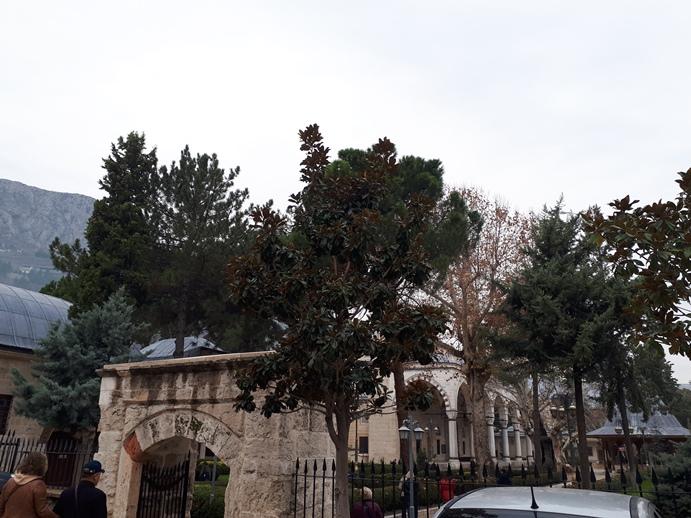
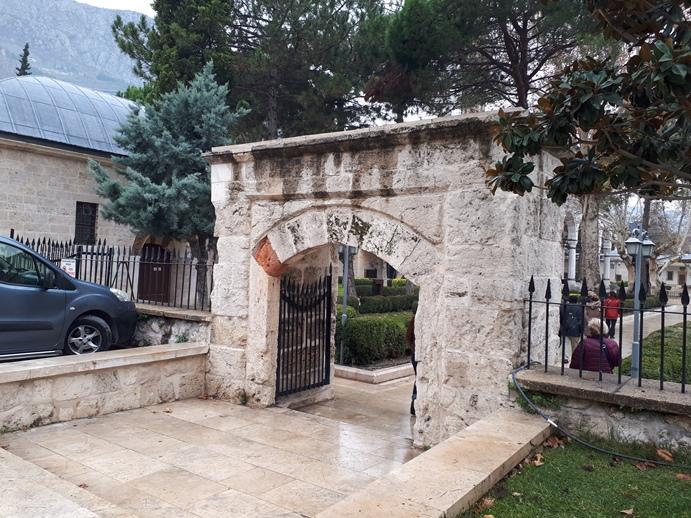
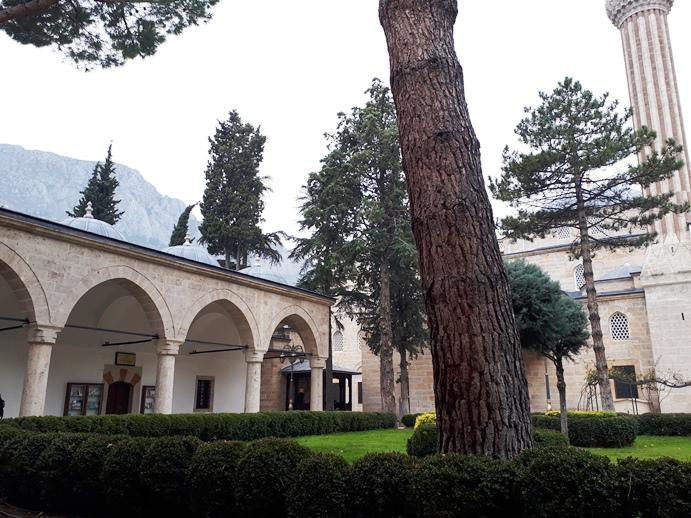
One enters a large courtyard through a gate constructed of interlocking stones. The Complex of Bayezid II was commissioned between 1485 and 1486 by Şehzade Ahmed—the Sanjak-bey of Amasya—at the behest of the Ottoman Sultan Bayezid II. As stipulated in the surviving endowment deed dated 1496, the complex originally comprised a mosque, a madrasa, an almshouse, a primary school, and a bridge.
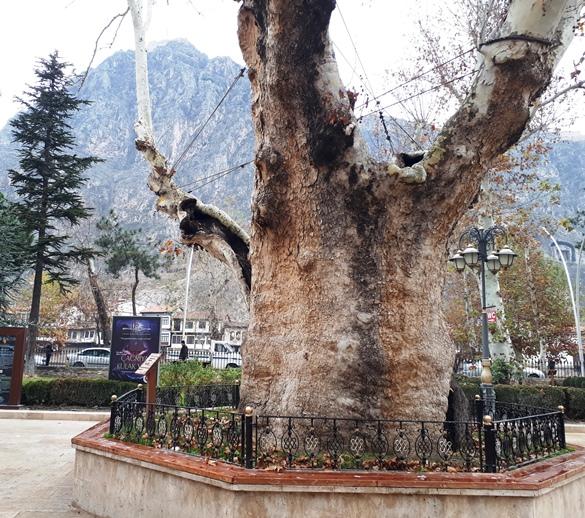
Standing within the courtyard is a centuries-old plane tree, which appears as though it has been split into vertical sections from top to bottom. For years, it served as a lightning rod—drawing lightning strikes upon itself—thereby safeguarding the surrounding buildings.
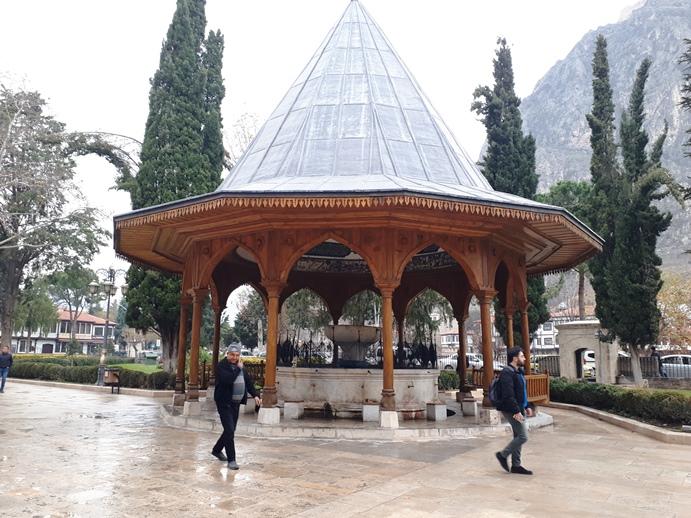
In the courtyard, amidst green lawns and centuries-old trees, stands an elegant fountain with slender columns. Situated in the center of the courtyard, this twelve-sided fountain is surmounted by a twelve-faceted, pointed pyramidal roof supported by twelve columns.
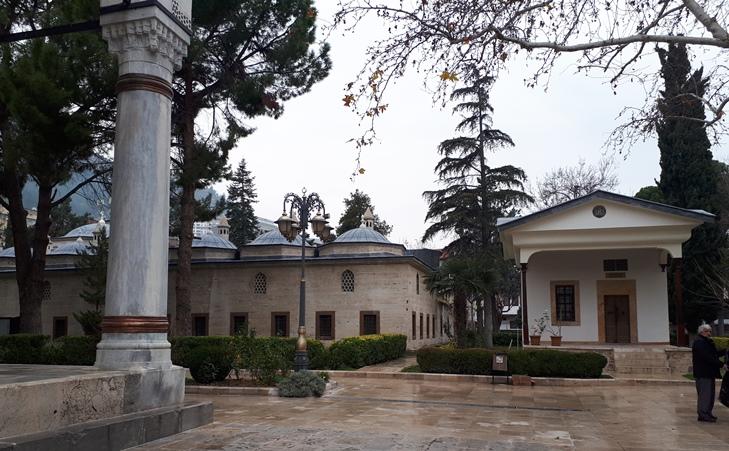
Directly in front of you stands a small, single-story, square-plan building. This is the *muvakkithane*—the timekeeping house where prayer times were determined—and the structure, featuring interior walls and a ceiling adorned with *kalem işi* (pen-work) decorations, was built in 1842.
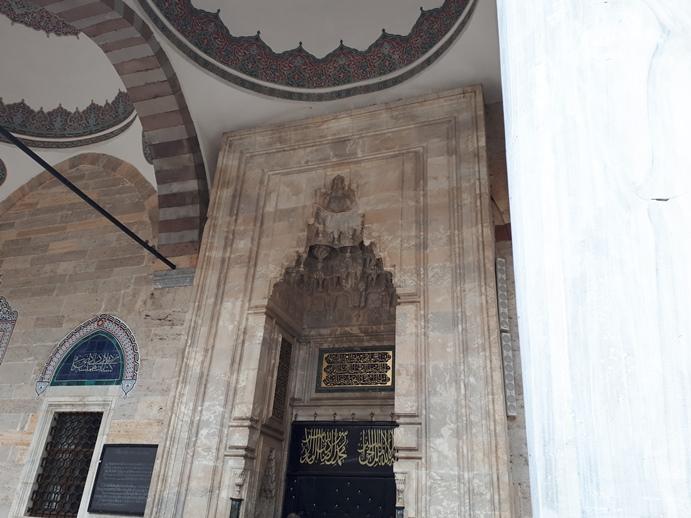
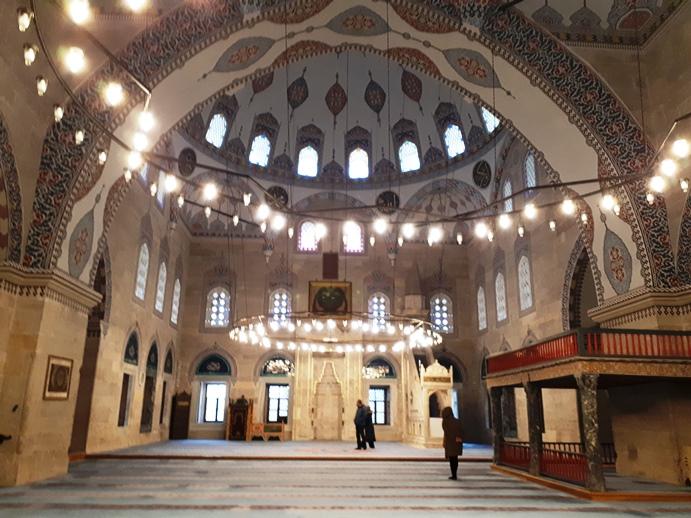
This mosque is said to be one of the most distinguished examples of mosque architecture featuring side chambers or *zaviye* wings. The interior of the dome and the spandrels of the window arches are adorned with rich *kalem işi* (freehand painted) ornamentation. The wooden window shutters are considered fine examples of the 15th-century *kündekârî* technique of joinery. The three-line marble inscription situated above the mosque’s magnificent monumental portal—which is itself embellished with *muqarnas* ornamentation—is the work of the calligrapher Ali bin Mezid.
Whether wandering through its interior or simply passing by its exterior on the road, I remember with reverence and gratitude all those who contributed their labor, as well as the architects of these enduring works that have withstood the test of time.
Amasya Museum
Located within the museum grounds adjacent to the main museum building, the open-air exhibition area displays stone artifacts dating back to the Hittite, Hellenistic, Roman, Byzantine, Ilkhanid, Seljuk, and Ottoman periods.
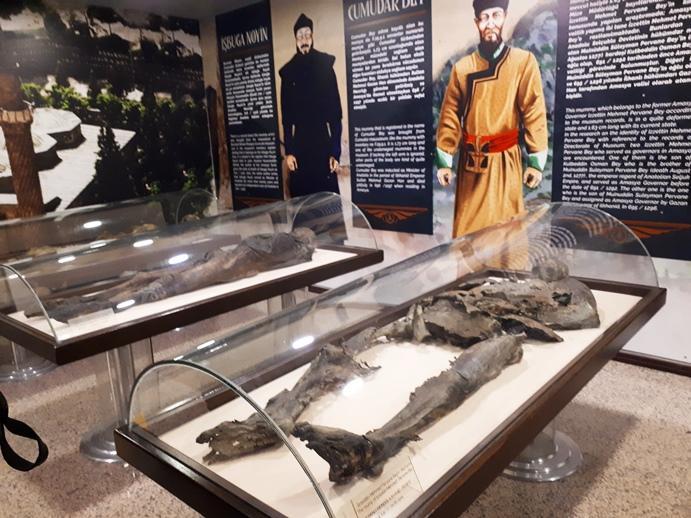
On the first floor of the museum, in the Hall of Mummies, mummies dating back to the 14th-century Ilkhanid period are displayed inside glass coffins.
Their colors and forms are not in very good condition. The reason for this is that, years ago during a flood, all the artifacts in the museum were swept away by the water; the items currently on display are those that were subsequently recovered and reassembled.
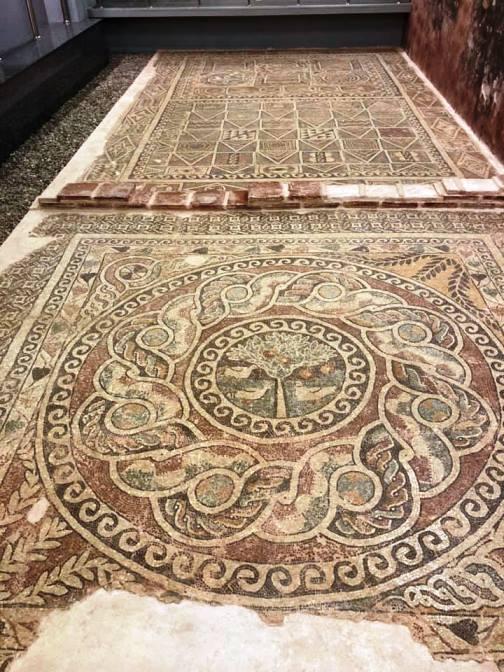
On the first floor of the museum, the “Apple Floor Mosaic”—belonging to a Roman-era villa and displayed within a special protective enclosure—is a fascinating piece; it features figures of red apples on a tree.
It appears that Amasya was a significant center for apple cultivation in the past as well.
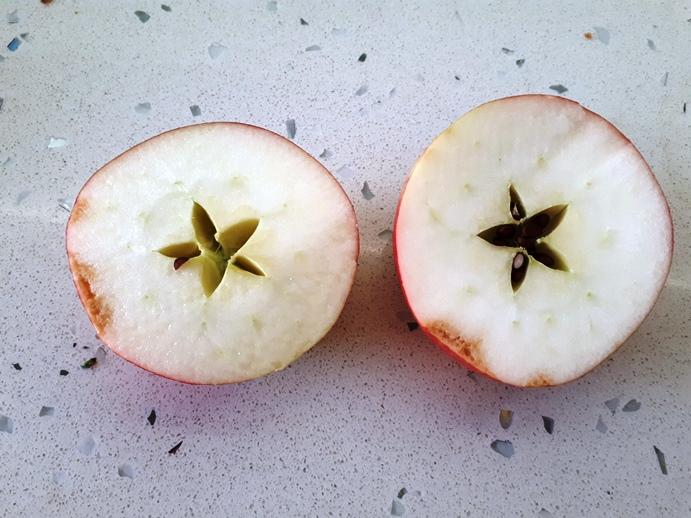
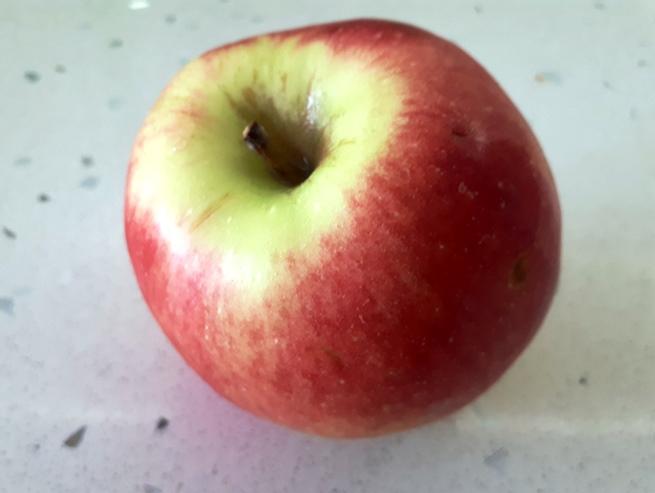
The Amasya apple is a unique apple variety, distinguished by its small size, red-and-white appearance, and flavor. However, I learned something else during this trip: apparently, the Amasya apple is the only variety that reveals a star shape inside when cut horizontally across the middle.
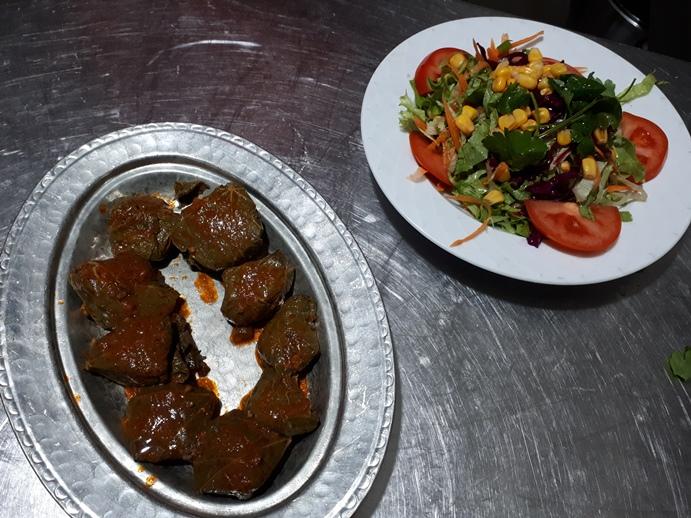
Amasya is also renowned for its unique and delicious cuisine. I would like to share a photo of the stuffed broad beans—a dish prepared with dried broad beans—which I tried for the first time on this trip and whose flavor left me absolutely captivated; since I couldn’t quite find the words to describe its taste, let me simply say: it was exquisite.
When Amasya cuisine is mentioned, it is impossible not to speak of its *çörek*. Prepared in plain, poppy-seed, and walnut varieties, this pastry is sold in many places.

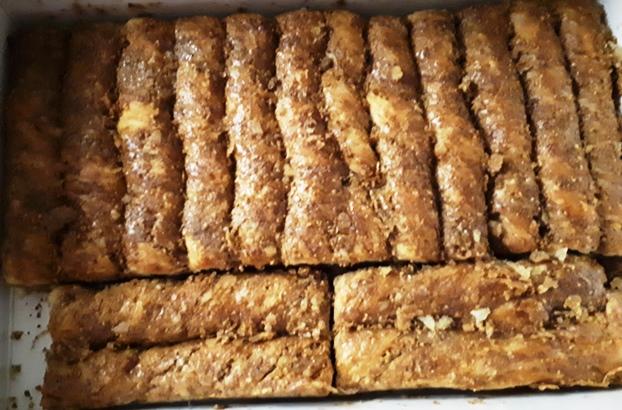
However, tucked away on a side street is a small shop—one that keeps the secret of its dough closely guarded. Master Galip’s shop is packed inside, with a line stretching out the front door. Even though we had placed a bulk order in advance, we still had to wait quite a while to pick it up. Yet the wait was well worth it; do not leave Amasya without trying these mouthwatering pastries.
If you wish to spend a weekend in a city that is tranquil, preserves its historical character, and is home to exceptionally courteous people—enjoying some fine food while you’re at it—or if you simply set aside half a day to visit while passing through, believe me: you will not regret it. Amasya will welcome you with open arms.