
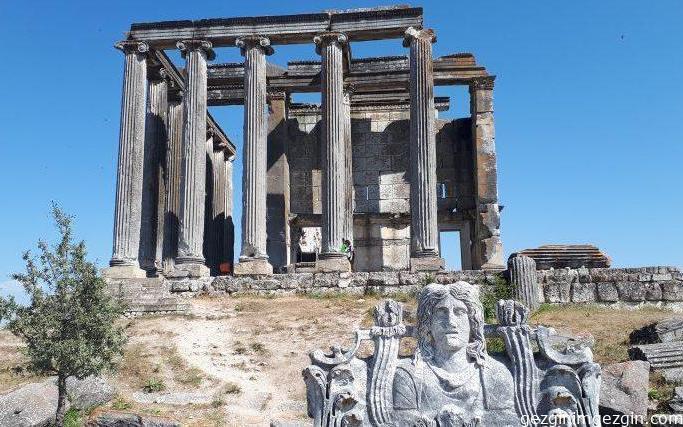
With the world’s best-preserved Temple of Zeus, the world’s first stock exchange building, and the world’s first interconnected stadium-theater complex, the Ancient City of Aizanoi virtually transports visitors on a journey into the past. As you tour the ancient city, it feels as though with every step you take, you can hear the faint sounds of shifting stones, the screams of spectators watching gladiators, the chanting voices of priests, the clamor of bustling crowds, and the rhythmic hoofbeats of horses passing along the colonnaded street.
Located in the district of Çavdarhisar—58 kilometers from the city center of Kütahya—this ancient city saw its first excavations begin in 1926, followed by a second phase of excavations in 1970. Following the Gediz earthquake of 1970, when efforts were made to rebuild structures such as schools and mosques that had been destroyed, large stone blocks and the remains of the ancient city were unearthed during foundation excavations.
The Ancient City of Aizanoi experienced its zenith in the 2nd century AD; it underwent extensive urban development during this period, and numerous structures were constructed. While it served as an episcopal see during the Early Byzantine era, it began to lose this significance from the 7th century onward. During the Middle Ages, the plateau housing the temple was converted into a fortress. The site was subsequently named Çavdarhisar—meaning “Çavdar Fortress”—because it was utilized as a military base by the Çavdar Tatars during the Seljuk period.
Contemporary with the ancient cities found in Ephesus, Side, and Pergamon, Aizanoi features five bridges (two of which remain intact), the Temple of Zeus, a theater with a seating capacity of 15,000, a stadium with a capacity of 13,500 built in a contiguous layout adjacent to the theater, two bathhouses, a commercial exchange building, a colonnaded street, two agoras, necropolises, tombstones, aqueducts, and monumental gate structures.
Macellum
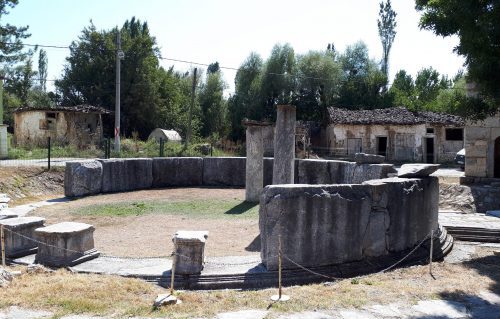
A copy of the “Edict on Maximum Prices”—promulgated by the Roman Emperor Diocletian in 301 AD—was inscribed upon the side walls of the Macellum building. This edict announced the implementation of price stabilization measures throughout the empire, declaring that “due to human greed and excessive avarice, economic stability had vanished within the state, thereby compelling the Emperor to issue this decree.”
As I found them particularly intriguing, I wanted to share with you below some of the wages and prices featured in these inscriptions:
Lawyer or Jurist: 250 Denarii per case
Palace Guard: 5,500 Denarii annually
Teacher: 50 Denarii per student
Scientist: 50 Denarii monthly
Architecture Instructor: 100 Denarii per student
Veterinarian: 20 Denarii per animal
Sculptor: 70 Denarii daily
Agricultural Worker: 25 Denarii daily
Fish: 453 g — 24 Denarii
The list goes on and on. This list provides insight into both the commercial activity of the era and the socio-economic structure of the empire. The importance accorded to various professions is also reflected in the wages.
The Colonnaded Street
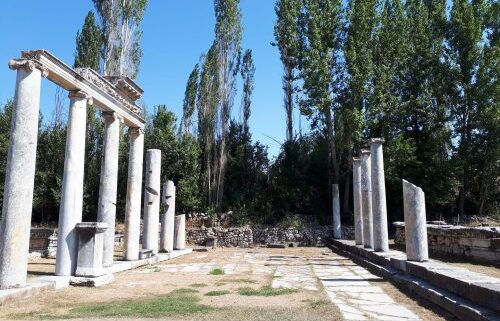 Behind the stock exchange structure lies a colonnaded street dating back to around 400 AD. In the past, this main thoroughfare reportedly began at the temple. It is believed that the columns lining this four-kilometer walkway—where soldiers returning from battle once greeted the public with their spoils—were dismantled from ancient structures of earlier periods and transported to this site.
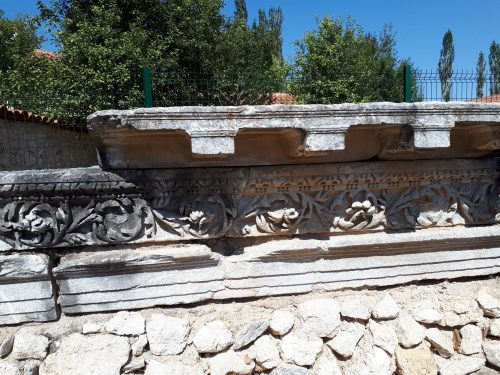
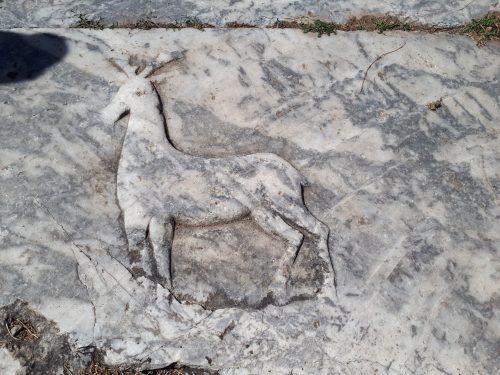
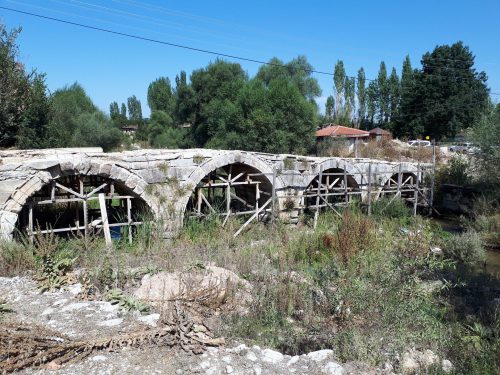
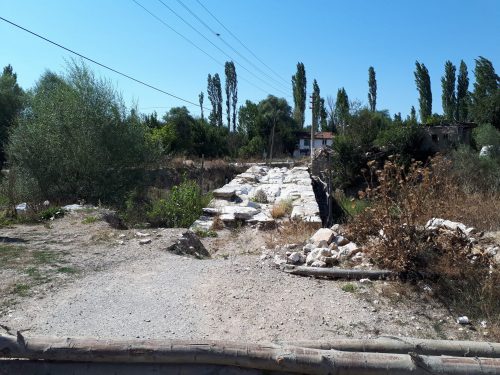
As you leave this area and begin walking toward the interior of the village, you come across the bridges spanning the Kocaçay (Penkalas)—structures that, in antiquity, connected the two banks. Of these bridges, only two have survived to the present day; in ancient times, however, there were five: one was a wooden bridge built for pedestrians, while the other four were arched stone bridges.
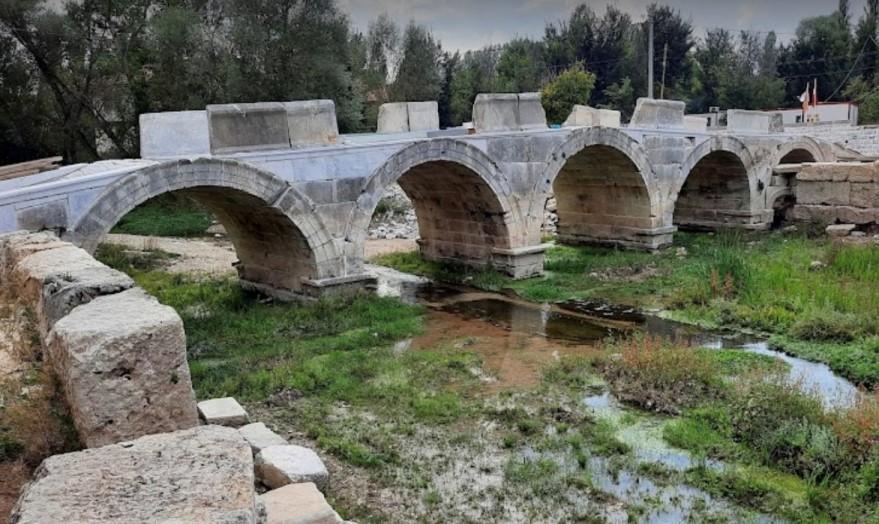
According to the inscription on the bridge’s parapet base, the bridge’s inauguration ceremony took place in 157 AD. It is said to have been commissioned as a votive offering by Marcus Ulpius Appuleius Eurykles—one of the city’s wealthy citizens—following a maritime accident he experienced while returning from Rome. The reliefs depict marine creatures and a ship.
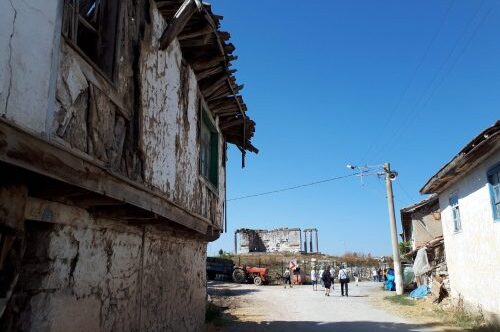
After crossing the bridges, as you walk among the village houses, the Temple of Zeus begins to emerge in all its majesty from the hill across the way. Contemporary village life and the ruins of antiquity are so intimately intertwined that your very sense of time begins to blur.
Zeus Temple
Its construction began in 92 AD during the reign of the Roman Emperor Domitian (81–96 AD) and continued during the reign of Emperor Hadrian (117–138 AD). The temple is one of the rare examples among the ancient structures of Anatolia to have survived to the present day while retaining its original form.
The temple consists of a pronaos, a naos, an opisthodomos, and a vaulted chamber located beneath the temple.
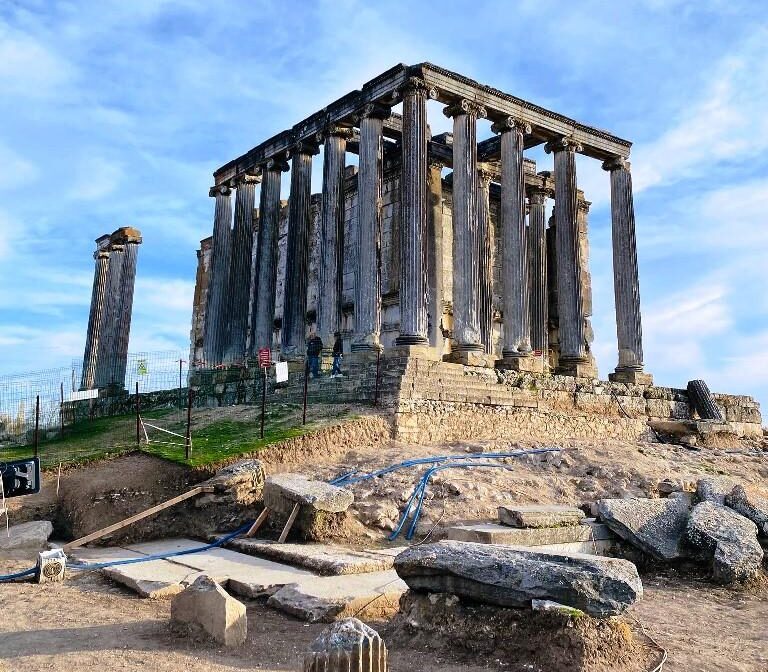
The marble temple features eight Ionic columns on its short sides and fifteen on its long sides. The structure occupies a footprint of 53 by 35 meters. The columns are monolithic—carved from single blocks of stone—and stand 9.3 meters tall. It is noted that, with this specific layout, the structure exhibits architectural characteristics that were not widely prevalent in Anatolia.
The funds required for the temple’s construction were generated by leasing out the extensive temple lands. Those who leased the temple lands resisted making payments for many years; however, construction of the new temple finally commenced once the payments were settled following a decree by Emperor Hadrian. Inscriptions carved into the ashlar blocks of the temple also feature drawings dating to later periods, depicting scenes of warfare and daily life.
These drawings are believed to portray scenes from the lives of the Çavdars—a group that settled in the vicinity of the temple during the 13th century.
Recent research conducted in the area surrounding the temple has also yielded ceramic fragments dating back to the Early Bronze Age II (2800–2500 BC).
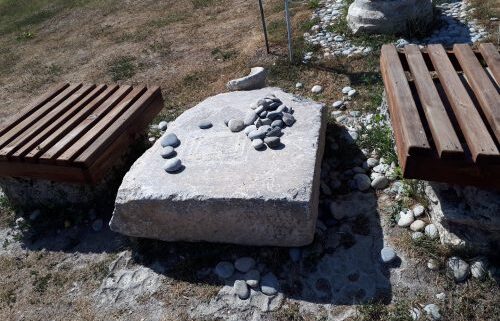
Upon entering the area where the temple is situated, you see the stone slab used for playing the game of Mangala. Played by placing stones upon a pattern of interlocking squares, this game was reportedly designed for two players. A game of strategy involving the redistribution of a specific number of stones—initially allotted to two opposing sides—in accordance with established rules to acquire the maximum number of pieces, it is said to be one of the world’s oldest games, much like Nine Men’s Morris.
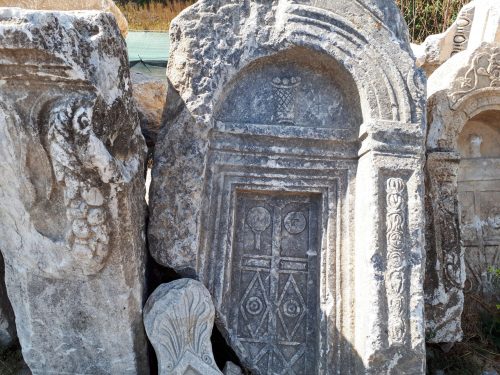
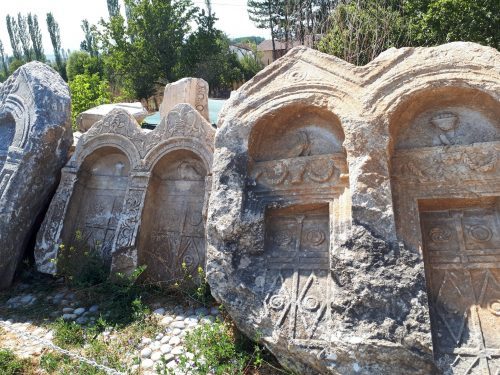
You see dozens of grave stelae—tombstones carved from a single piece of stone and featuring engraved patterns—arranged around the temple. Each symbol upon them carries a distinct meaning and reportedly conveys information regarding the deceased’s status.
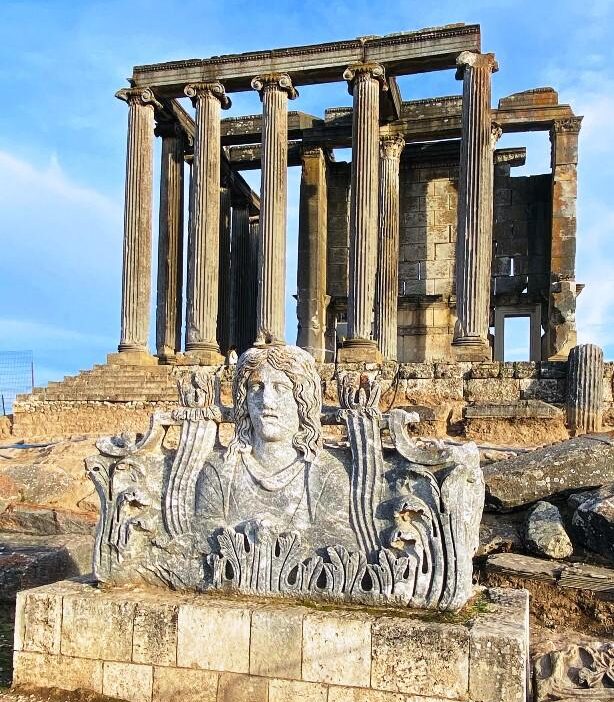
It is hypothesized that the statue of Cybele—found directly in front of the Temple of Zeus and displaced by an earthquake—was, in fact, the pediment originally situated atop the temple’s columns.
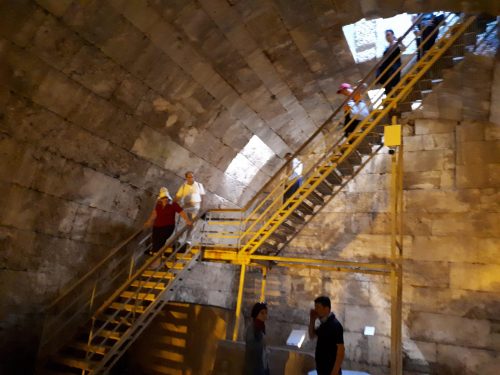
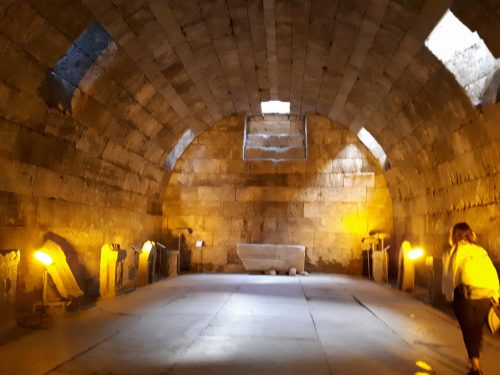
There is a section within the lower level of the temple that is said to have no exact architectural counterpart anywhere else in the world. Constructed using a locking vaulting technique, this lower section has managed to survive to the present day in its original state.
This space served as a storeroom for gifts and offerings presented to the gods, as the temple’s oracle chamber, and as a cult site dedicated to Cybele—Anatolia’s goddess of earth and fertility. It has stood firm for 1,855 years and bears the traces of the people who have inhabited the region since the very day the temple was built.
This section is so intriguing and impressive that Aizanoi is worth visiting for the sole purpose of seeing this area alone. Access to the lower level is currently provided by a suspended staircase installed at a later date; originally, no permanent staircase existed. Instead, a temporary wooden ladder would be lowered into this chamber—a space accessible only to the priests—and subsequently hoisted back up once the priests had descended.
The chamber—where the temple priests would descend to deliver oracles and where offerings presented to the temple were stored—has been illuminated, as have the funerary steles arranged within.
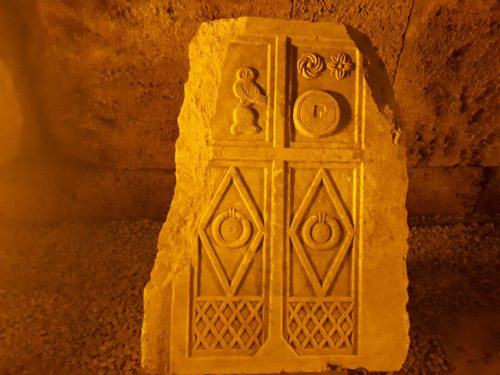
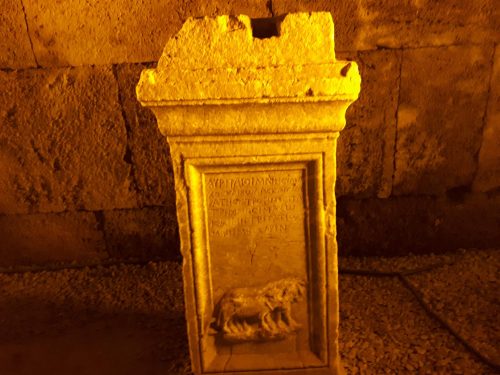
Despite being in an enclosed space—and situated nearly beneath ground level—I felt, without any sense of claustrophobia or constriction, a strange sense of spaciousness and peace within this place. I sat down on the steps and closed my eyes; was it the whispers of the monks, or the guide’s narration? Amidst the sounds I could not distinguish, I felt my soul being cleansed and growing lighter; it seemed to me as if the world itself lay entirely outside this space…
Theatre – Stadium
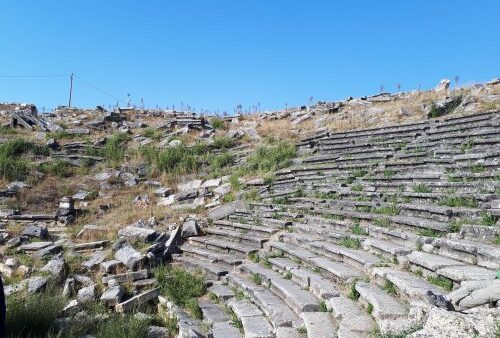
The stadium-theater complex at the ancient city of Aizanoi is said to be unique in the world, having no known counterpart elsewhere. Constructed during the 2nd and 3rd centuries AD, the complex features a stadium with a capacity of 13,500 spectators and a theater with a capacity of 15,000, connected to one another by two main gateways. This represents the first and only such combination of its kind in the world.
Measuring 200 meters in length and 50 meters in width, the stadium was constructed by carving into the interior of a hill and installing tiers of seating along its slopes. In antiquity, city-wide Olympic games were held every four years; athletes who emerged as champions in these games were subsequently sent to Athens to represent their city. The names of these champion athletes were inscribed upon the honorary podium situated immediately to the east of the stadium’s entrance gate.
The structure was originally designed as an arena. During that era, three distinct types of sporting events were staged within such arenas. These spectacles consisted of combat matches—pitting gladiator against gladiator, gladiator against criminal, or gladiator against wild beast—and would continue until one combatant had killed the other.
The theater boasts a seating capacity of 15,000 and is designed in the style of a classical Greek theater. Access to the theater was provided through three main entrance gates. The wall separating the theater from the stadium originally stood 30 meters high and consisted of three stories; however, as a result of earthquakes, only a 10-meter section of this 30-meter wall has managed to survive to the present day.
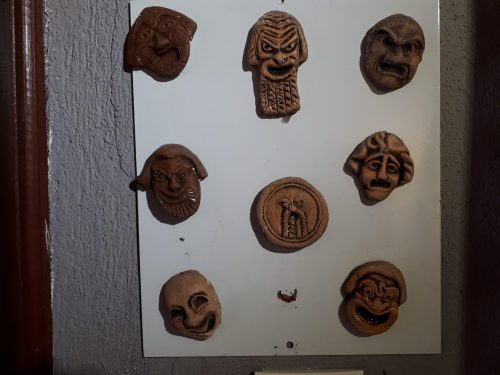
In this theater, which boasts a powerful acoustic system, tickets for the plays performed there were reportedly crafted in the form of stone tablets.
The city’s population is estimated to have ranged between 100,000 and 120,000. In Roman cities, population estimates were typically determined by multiplying the theater’s seating capacity by a factor of seven or ten.
The Mosaic Bathouse
One can reach the Mosaic Bathhouse by walking from the theater complex.
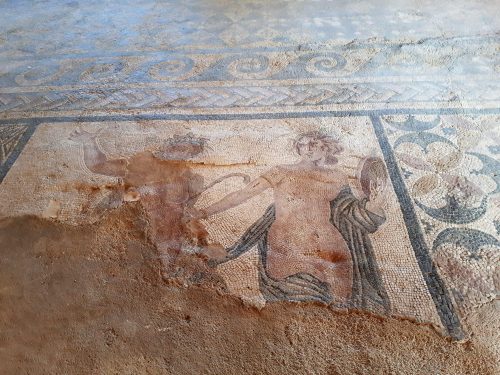
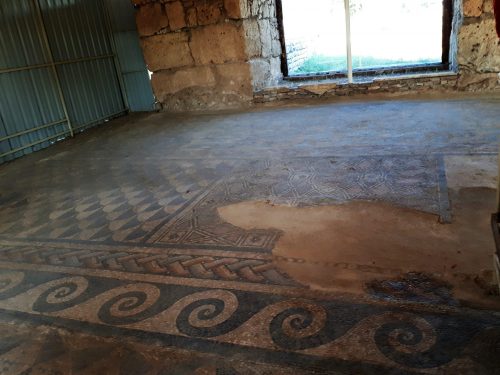
For the Romans, one of the most important social activities was visiting the baths. It is said that they visited separately—women in the morning and men in the afternoon.
Roman engineers devised a heating system for the baths based on the principle that hot air from a furnace would pass through hollow bricks beneath the floor, thereby heating both the floor itself and the marble slabs resting upon it. (The Hypocaust System)
Among the surviving mosaics on the bathhouse floor, figures of Satyrs and Maenads can be discerned.
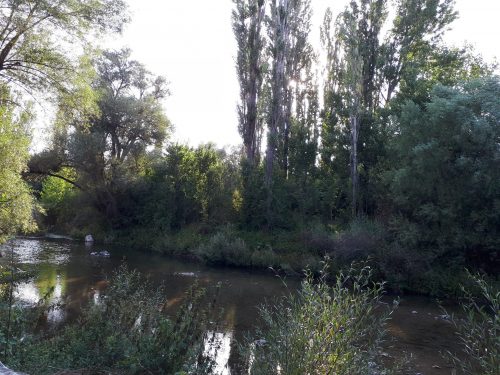
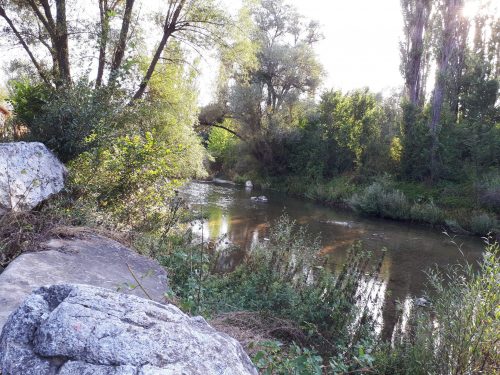
After touring the ruins of the Ancient City of Aizanoi, you return to the district center by walking through the village and along the stream bank, which offers magnificent views. Yet, do not imagine that you have completed your tour of the ancient city with merely the scent of nature in your nostrils and the majestic sight of the ruins.
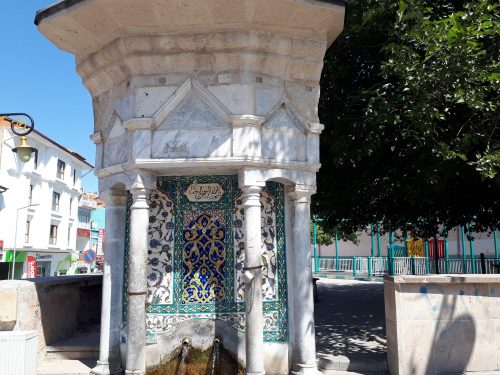
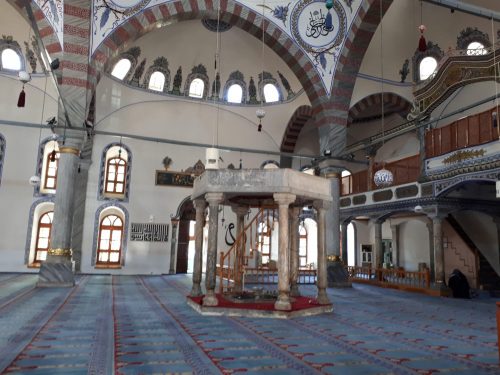
In Kütahya, you will encounter stones originating from the ancient city of Aizanoi at every street corner, in the columns of the Ulu Cami, and almost everywhere else throughout the city.
References
Kütahya Directorate of Culture and Tourism, “Kütahya Promotional Brochure”