
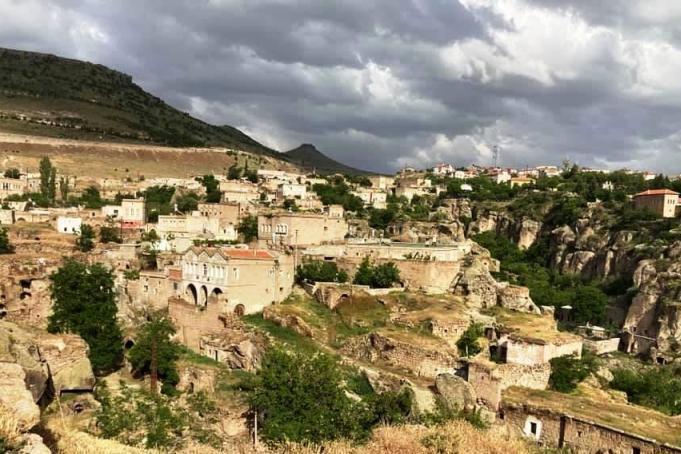
Güzelyurt is a small, beautiful district situated in Cappadocia, at the foothills of Mount Hasan, and administratively attached to the province of Aksaray. Known throughout its millennia-long history as Karballa, it also bore the name Gelveri—a Greek term meaning “beautiful water.” Güzelyurt lies 49 kilometers from Aksaray and 15 kilometers from the Ihlara Valley.
Beyond its volcanic topography—formed by a volcanic eruption millions of years ago—Güzelyurt offers a wealth of experiences, preserving the rich legacies and surviving artifacts of the various civilizations that have inhabited these lands. It is a vibrant and multifaceted destination, featuring traces of inhabitants dating back to the pre-Christian era; underground cities where the founders of the early Orthodox sect lived and sought refuge; some of the earliest Christian churches; and the magnificent mansions constructed during the Ottoman period. In the early 1900s—a time when Güzelyurt boasted a larger population than Aksaray itself and served as a major hub for trade and industry—it is reported that 80 percent of the district’s population consisted of ethnic Greeks.
Güzelyurt’s history spans thousands of years, during which various sovereignties were established across these lands. Historical records indicate that the very first village settlement in the history of Cappadocia emerged in this region approximately 7,500 years ago. Indeed, every major civilization that reached Anatolia left its indelible mark upon this territory: the Hittites, Persians, the Kingdom of Cappadocia, the Romans, the Byzantines, the Seljuks, and finally, the Ottomans. The local populace—who initially practiced the polytheistic religion of the Hittites—later embraced the Hypsistarian faith, a form of fire worship, during the era of Persian dominion. The region was incorporated into Roman territory in the 17th century BC; during the Roman era, as the Christian faith introduced by St. Paul began to spread, those compelled to go into hiding to escape Roman persecution sought refuge in the vicinity of Güzelyurt and the Ihlara Valley. It was also in Güzelyurt that the earliest forms of monastic life first took root. Gregory the Theologian of Güzelyurt and Basil of Caesarea established themselves in the region as the founders of Orthodoxy.
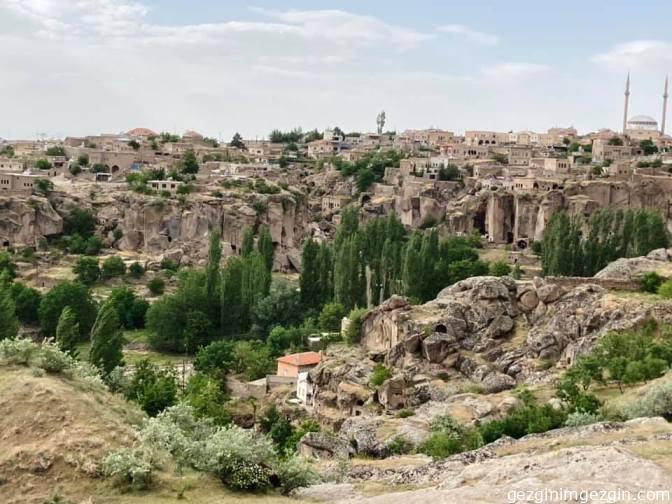
During the Byzantine and Ottoman periods, three underground cities and 50 rock-cut churches were constructed in this region. In the 12th century, the area fell under Seljuk control; however, the Seljuks granted certain privileges to the Christian population. When Güzelyurt came under Ottoman rule in 1470, the majority of its inhabitants were Christians. Following the Treaty of Lausanne, signed in 1923, the Greek population living here was forced to leave due to the population exchange. In memory of these lands, they established a new village in Greece named Nea Kalvari.
If one allocates only a limited amount of time for the Cappadocia region—and focuses primarily on the Ürgüp, Göreme, and Avanos areas—this particular district may often be omitted from the itinerary. However, a trip to Cappadocia remains incomplete without visiting this region. Sharing the same volcanic geological structure as the rest of Cappadocia, this area served as the region’s earliest settlement site and was home to many early Christian leaders.
During our trip to Cappadocia, we dedicated an entire day to exploring the vicinity of Güzelyurt. After hiking and touring the historical ruins at the Selime Monastery, the Ihlara Valley, and the village of Belisırma—all of which are administratively part of Güzelyurt—we proceeded to the district center. In this article, I describe the area surrounding the Güzelyurt district center; the Ihlara Valley and Selime Monastery are covered in separate articles.
Let’s Explore
As we drove from Belisırma toward the district center, our first stop was the Yüksek Kilise (High Church).

Yüksek Kilise is situated atop a high hill, located 3 km from the district center and positioned within the triangle formed by Mount Hasan, the Ihlara Valley, and the Monastery Valley. It also serves as a scenic lookout point. This hill—home to both a monastery and a church—is known as Analipsis Hill. The archaeological remains found on the hill—dating back to the Bronze Age and encompassing artifacts from the Hittite, Roman, and subsequent civilizations—demonstrate that this site has served as a settlement area throughout history.
The church and monastery are perched directly upon a rock formation. The monastery is a rectangular structure comprising two distinct sections. The church features a single-nave, rectangular layout; its construction utilizes a combination of rock-cut architecture and masonry. Although the date “1894” is inscribed above the church’s entrance, it is believed to have been built upon the foundations of an earlier church. Given that this commanding hilltop has been inhabited by numerous civilizations, it is highly probable that it served as a religious center for many centuries.
Perhaps due to the pandemic—which was ongoing during our visit in June 2021—the doors of both the church and the monastery were secured with massive padlocks.
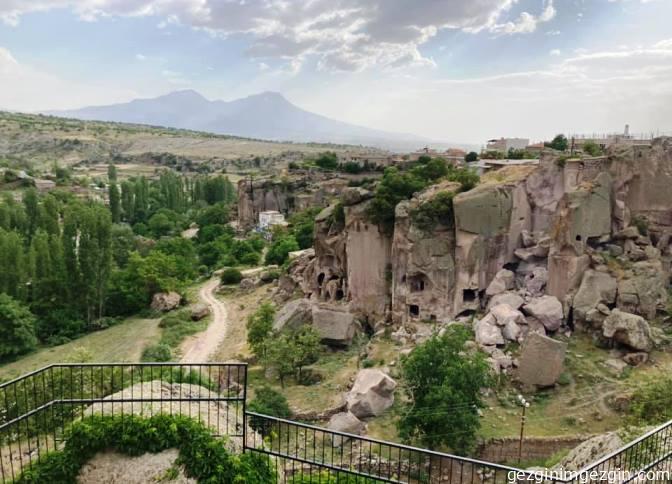
From the hilltop where the church stands, the panoramic view of the Güzelyurt town center and the Monastery Valley was truly a sight to behold.
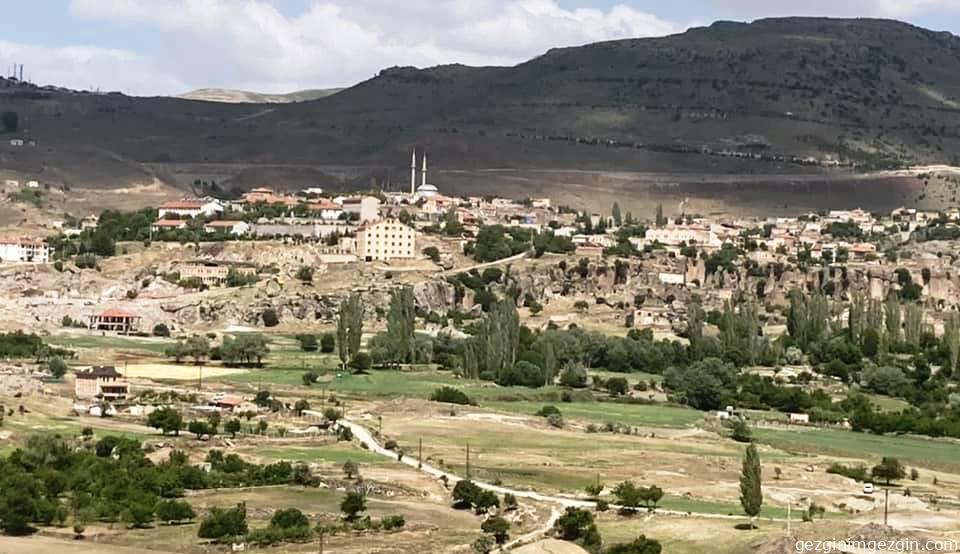
Güzelyurt is divided into three sections—the New Quarter, the Upper Quarter, and the Lower Quarter—and we are entering through the Upper Quarter. Here, the scene is a classic contemporary small-town tableau: shops lined up along a main street, a small park, and a coffeehouse. We headed to the upper end of this street to visit the historic Girls’ Monastery.
The Girls’ Monastery
Constructed in 1856 as the Girls’ Monastery, this magnificent stone building naturally lost its original function following the population exchange of 1924. In the years that followed, the structure served first as a primary school and later as a Gendarmerie station; it was subsequently restored by Yıldız University and opened as a hotel. More recently, however, it was transferred to Aksaray University. We had eagerly anticipated being able to tour the building while it was operating as a hotel; yet, once again, we found its doors locked. We sincerely hope that this historic monastery will be reopened to the public in the near future.
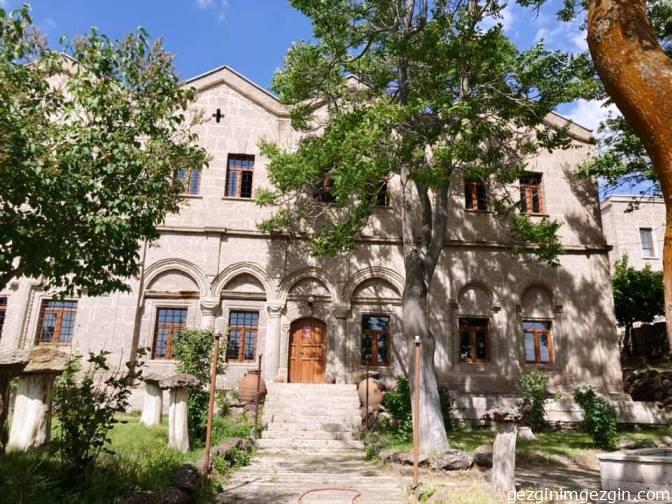
The Gelveri houses—constructed in the Upper Quarter during the 19th and early 20th centuries—were built in harmony with the region’s topography; they were first carved directly into the rock face, upon which elaborate, stone-built mansions featuring triple-gabled roofs were erected. These beautiful mansions are well worth a visit in their own right. However, the history of the Lower Quarter, situated within the Monastery Valley, dates back to a much more distant past.
Monastery Valley
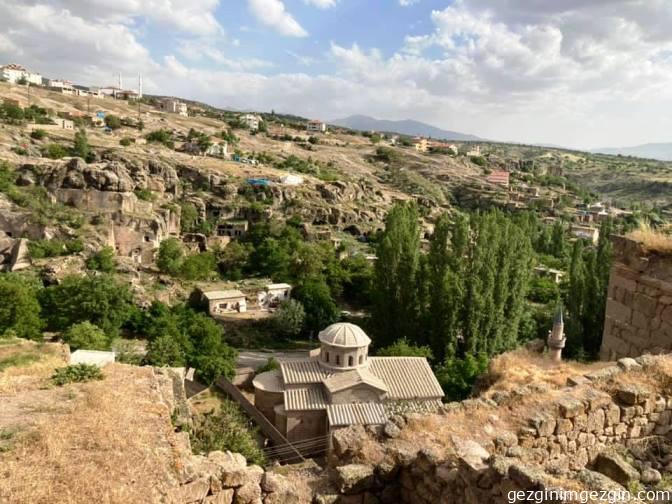
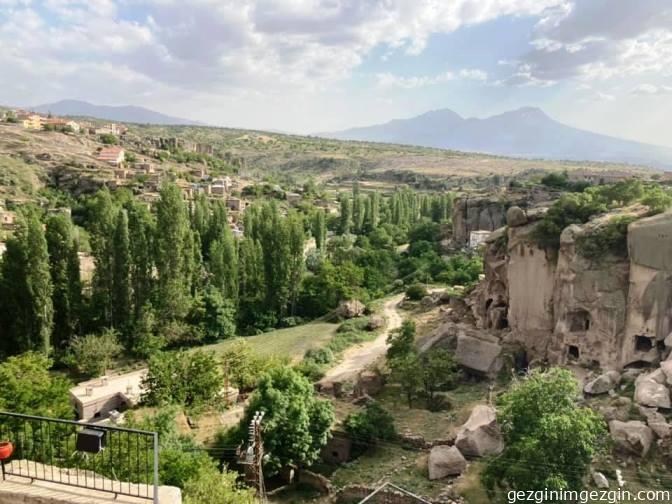
We drove down from the upper neighborhood, navigating a narrow street to reach the Monastery Valley. The Monastery Valley has been organized as an open-air museum, and admission is possible with a Museum Card. Upon arriving at the museum entrance, we stepped out of the car and entered the valley’s most significant historical structure.
The Church-Mosque — The Church of Saint Gregory
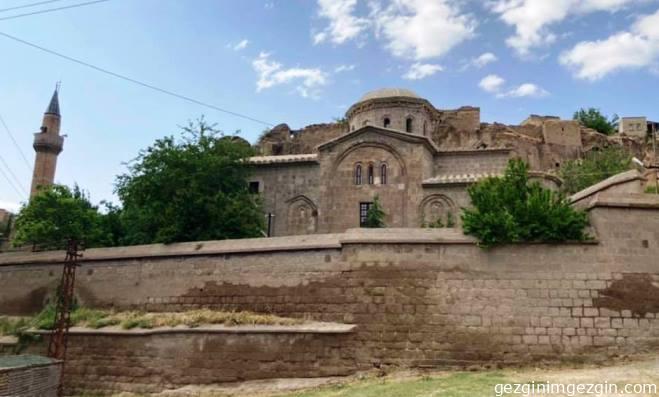
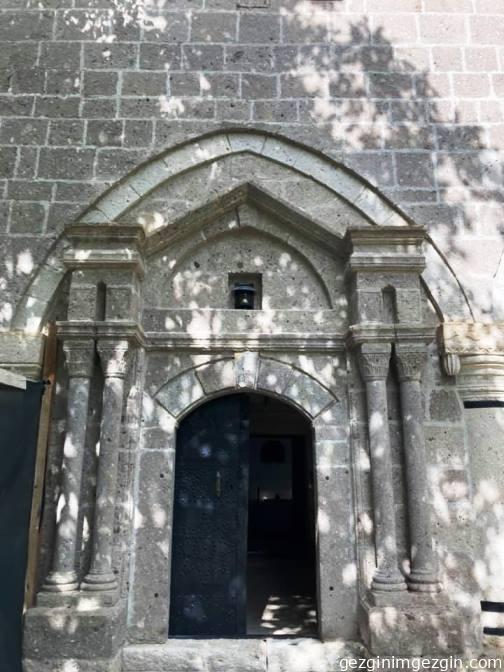
The earliest Christian monument in the Monastery Valley is the Church of Saint Gregory, also known as the “Little Hagia Sophia.” Born in Güzelyurt during the early era of Christianity, Gregory the Theologian became the founder of the Orthodox denomination. In the period preceding the Byzantine Empire’s official adoption of Christianity, the state subjected those who embraced this faith to persecution. The local population in this region—having accepted Christianity by following in the footsteps of Jesus’s apostle, Saint Paul—sought refuge in the Monastery Valley and the Ihlara Valley, where they endeavored to propagate their religion amidst the Iconoclastic movement. Following the Byzantine Empire’s adoption of Christianity as its official state religion, Emperor Theodosius commissioned the construction of this church in 385 AD in honor of the Orthodox pioneer, Saint Gregory. During the Ottoman era, in 1835, the church underwent significant structural alterations, being transformed into a three-nave, domed basilica. A guesthouse is situated to the north of the church, while the priests’ residence lies to the east. Adjacent to the church, there is a holy spring (*ayazma*) accessible via a descent of 35 steps.
In 1924, the church was converted into a mosque; its 15-meter-high bell tower was repurposed as a minaret, and the interior frescoes and decorative motifs were concealed. Furthermore, as the Greek community departed the region, they took with them the majority of the church’s interior furnishings and artifacts.
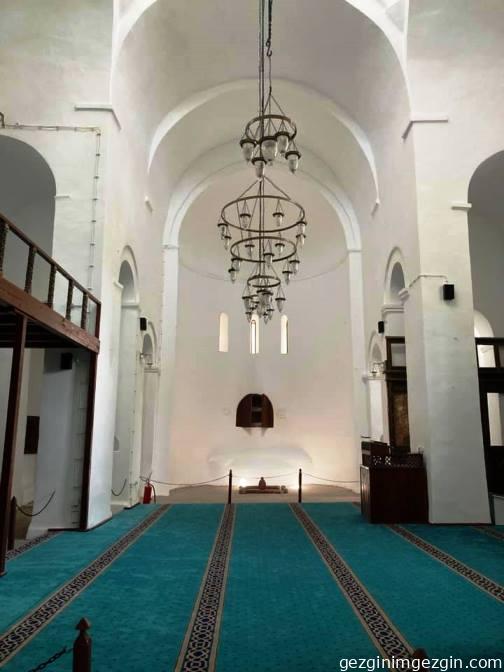
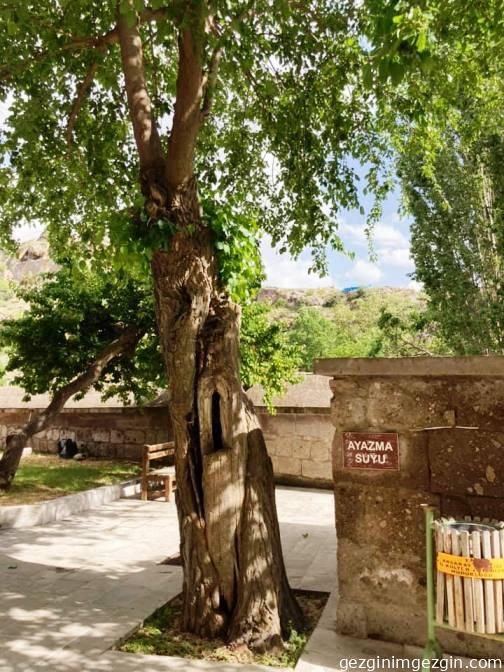
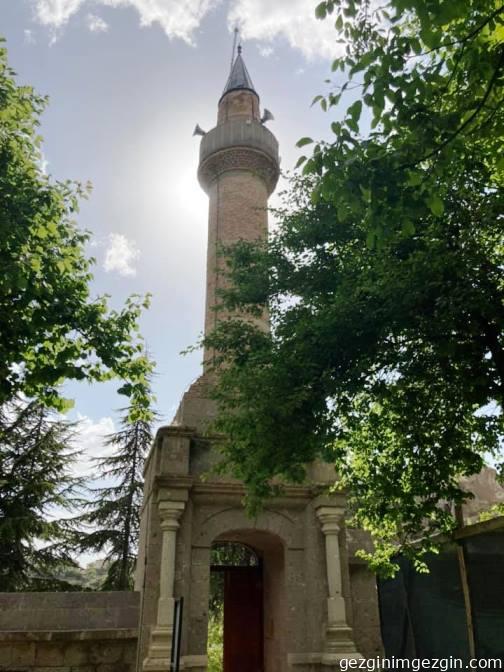
Although the Manastır Valley, with its length of 5 kilometers, is not as long as the Ihlara Valley, it is remarkably rich in features, containing rock-cut houses, rock-cut churches, and an underground city. Located right at the entrance of the valley—immediately adjacent to the Church of Saint Gregory—are the Gaziemir Underground City and Caravanserai. This caravanserai was utilized during both the Byzantine and Seljuk periods. The underground city also houses two churches and a wine-making facility.
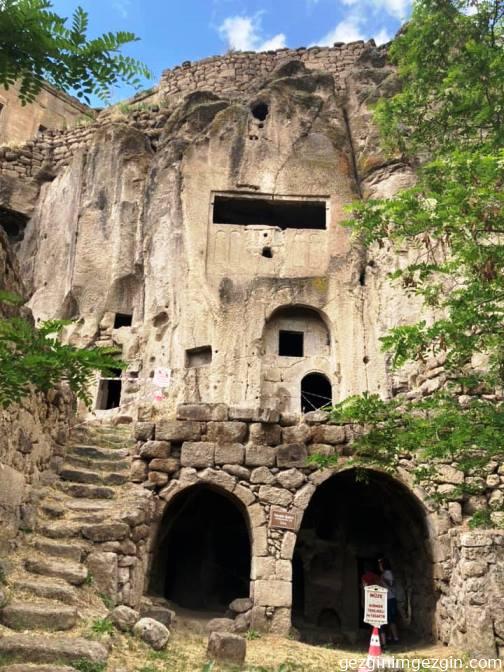
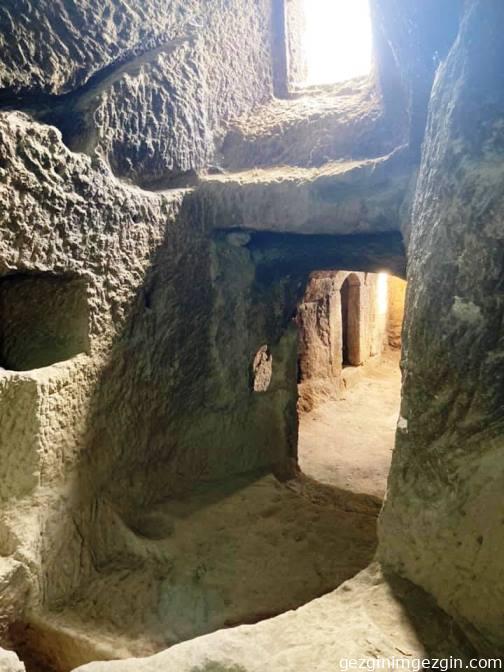
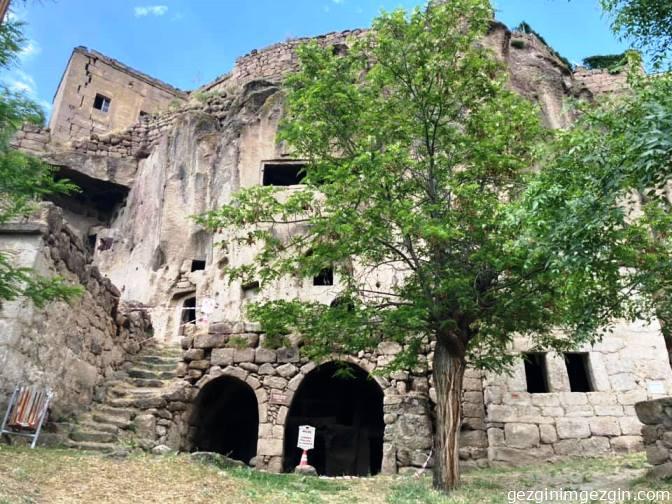
It is possible to drive about 1 km into the valley, after which walking is required. We drove as far as we could, and along the way, we were able to visit a few churches carved into the rocks.
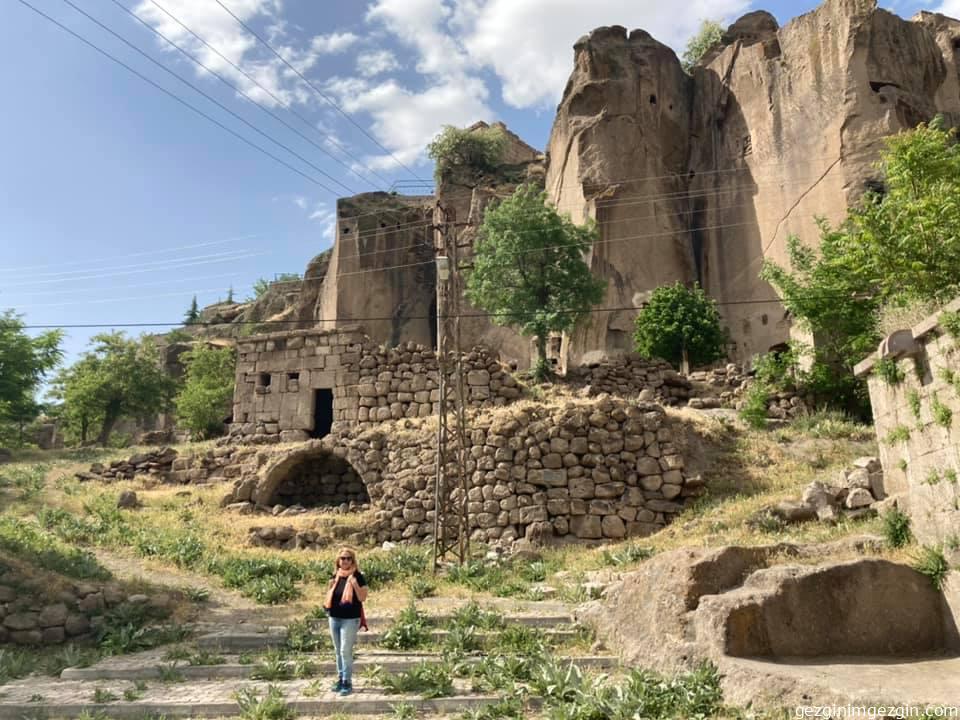
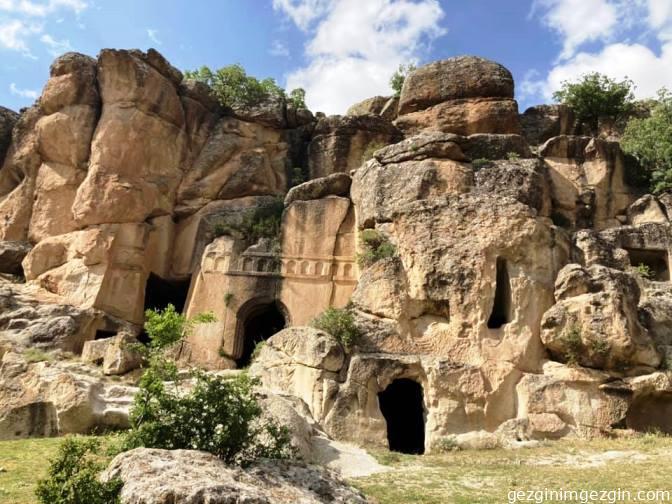
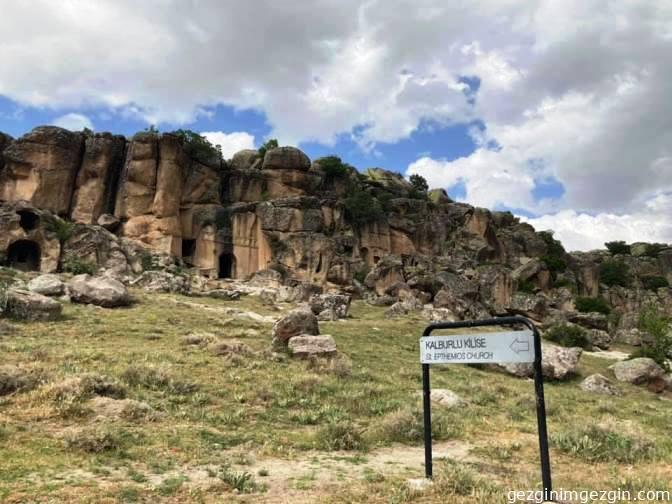
After our hike through the Güzelyurt Monastery Valley, we climbed back up to the upper quarter and wandered through its narrow streets, amidst houses carved into the rock and finished with local stone.
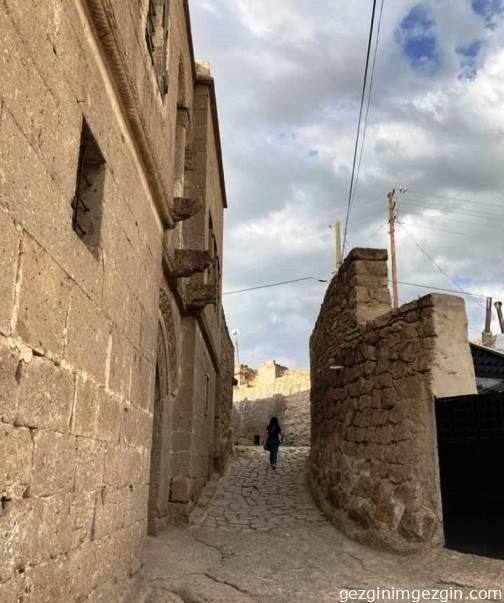
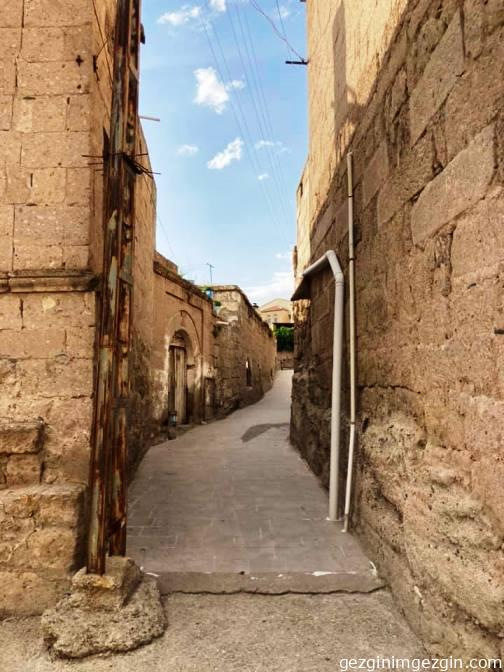
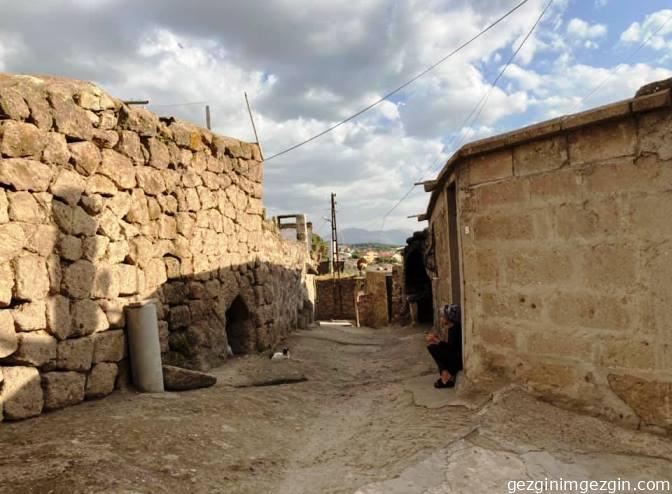
We were reluctant to leave the Monastery Valley, which captivated us not only with its historical artifacts but also with its unique geographical features. Wishing to watch the sun set against the backdrop of the scenery, we stepped into the first hotel situated overlooking the valley. We wanted to enjoy a drink at a table with a view of the valley. The hotel’s structure—carved directly into the stone and rock—was truly in perfect harmony with nature.
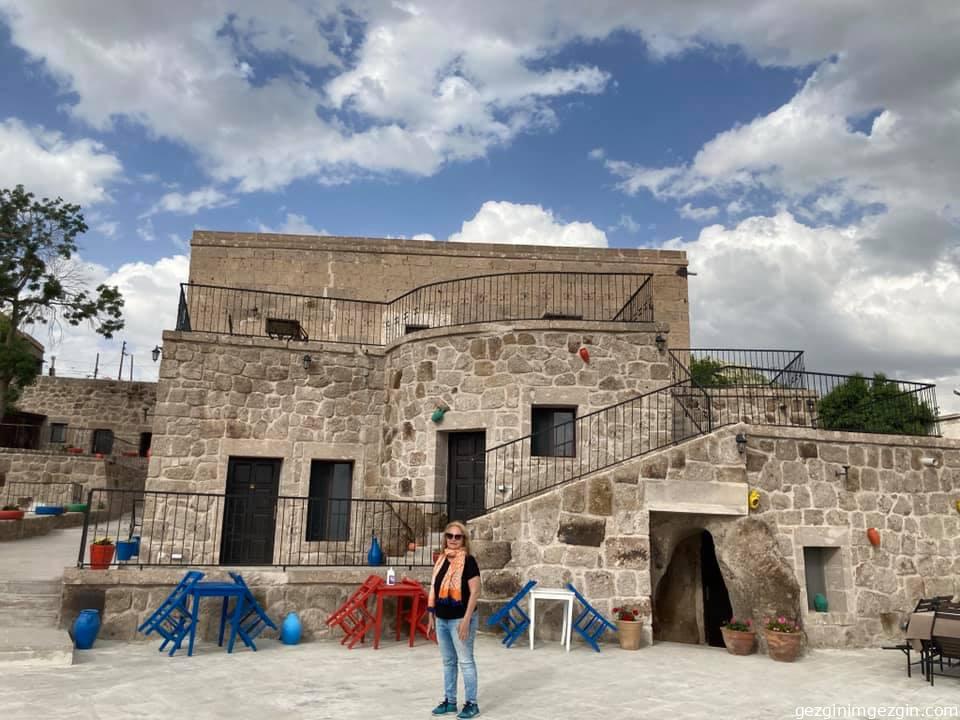
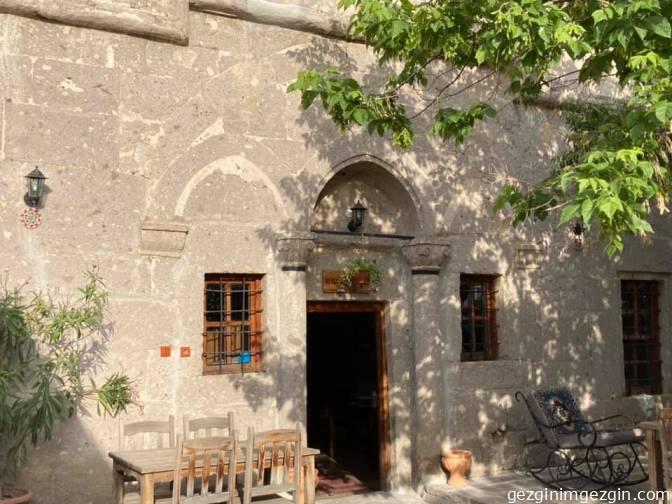
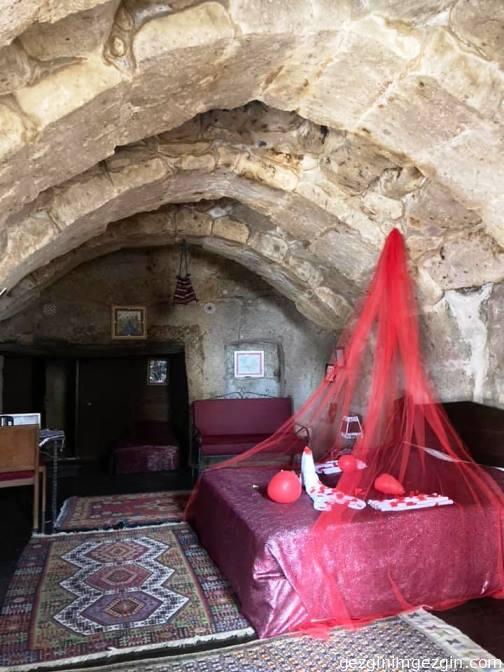
In Güzelyurt, some of the mansions overlooking the Monastery Valley have been converted into hotels. Staying in these historic mansions, amidst such scenery, would be a truly delightful experience. We had chosen to stay in Aksaray during our visit to this region; however, for a trip to this specific part of Cappadocia, I would highly recommend spending one or two nights in Güzelyurt itself. While one could certainly move to a different hotel for the more eastern leg of the journey—covering areas like Ürgüp, Göreme, and Avanos—this particular region is one that deserves to be experienced fully, both for sightseeing and for accommodation.
Epilogue